Tip 1: Harness Light Colors and Strategic Painting
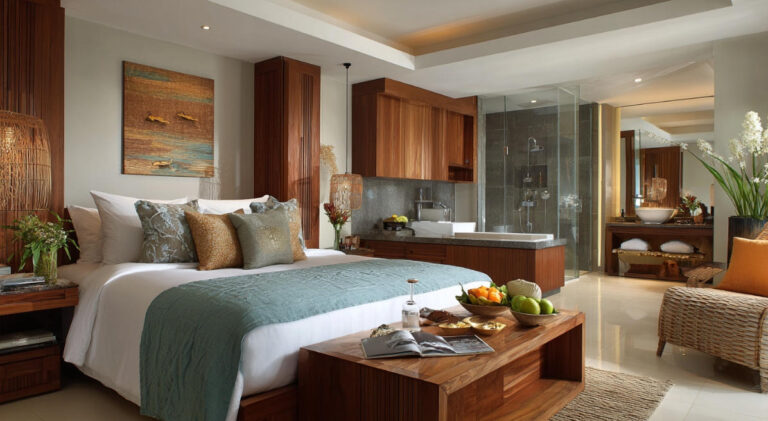
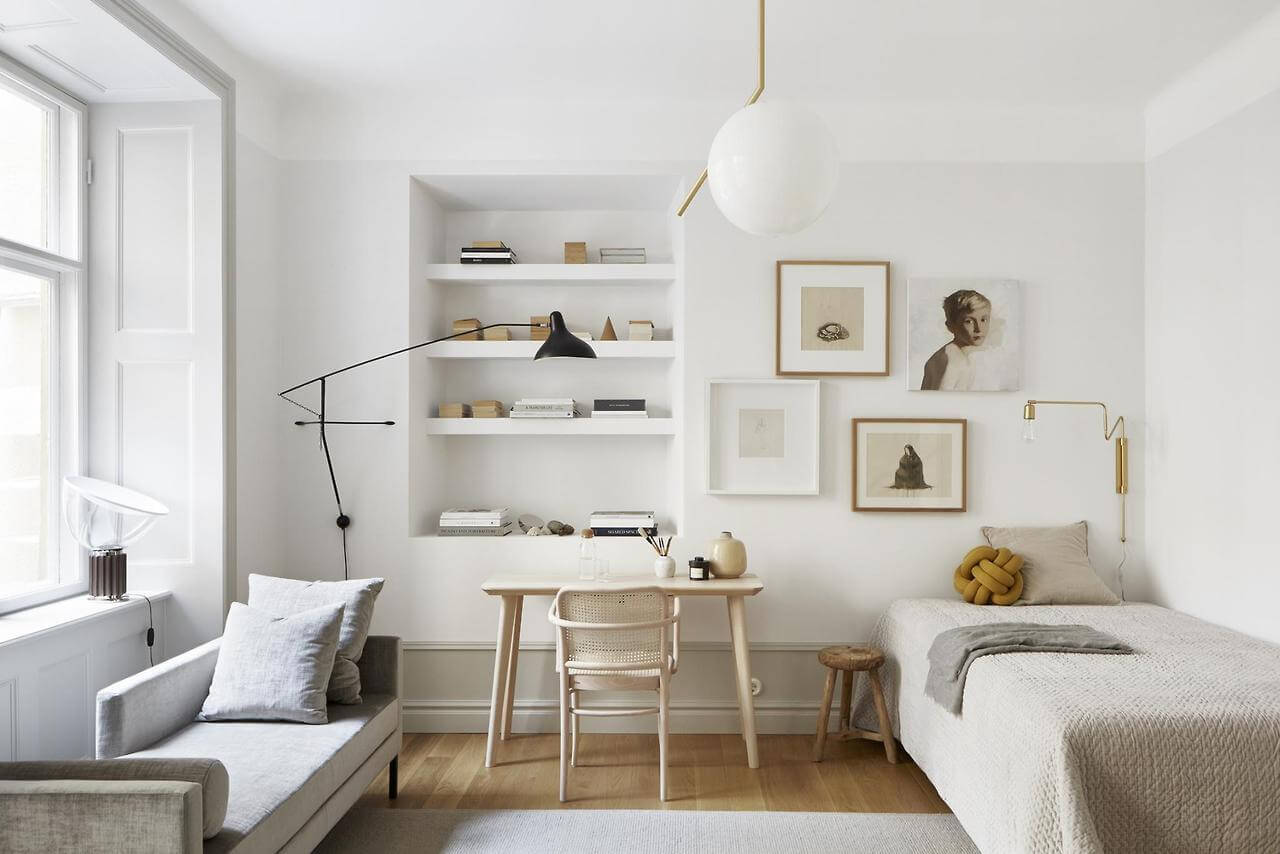 Light colors have a magical way of making small apartments feel open and airy. They reflect natural and artificial light, helping walls “disappear” and soften room boundaries. This creates a seamless flow that tricks your eye into seeing more space than there really is.
How to use light colors effectively ?
Light colors have a magical way of making small apartments feel open and airy. They reflect natural and artificial light, helping walls “disappear” and soften room boundaries. This creates a seamless flow that tricks your eye into seeing more space than there really is.
How to use light colors effectively ?
- Go monochromatic. Paint your walls, ceiling, and trims in the same soft tone to blur edges and expand the room visually.
- Choose pastels and neutrals. Think creamy whites, gentle blues, blush pinks, or pale grays to keep the atmosphere calm and spacious.
- Avoid dark accents. Dark colors absorb light and shrink space, so save them for small accessories only.
Tip 2: Maximize Natural and Artificial Light Sources
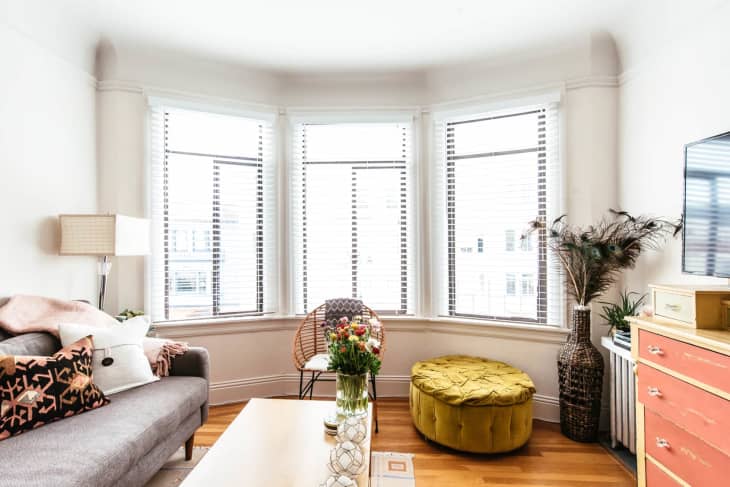 Light is the biggest game-changer when you want to make small apartments appear more spacious. Good lighting melts away harsh shadows, makes furniture look less bulky, and opens up the room instantly.
Here are some practical ways to boost light in your tiny space:
Light is the biggest game-changer when you want to make small apartments appear more spacious. Good lighting melts away harsh shadows, makes furniture look less bulky, and opens up the room instantly.
Here are some practical ways to boost light in your tiny space:
- Use sheer floor-to-ceiling curtains: They let in plenty of natural light while maintaining privacy, creating an airy, open feel.
- Layer your lighting: Combine overhead lights, wall sconces, and LED strip lights to evenly brighten the room. This multi-level lighting softens shadows and adds depth.
- Renter-friendly fixes: Install no-drill tension rods for curtains or hanging string lights. Smart bulbs let you dim the lights or change colors without rewiring, perfect for rented places.
Tip 3: Strategic Mirrors and Reflective Surfaces for Infinite Depth
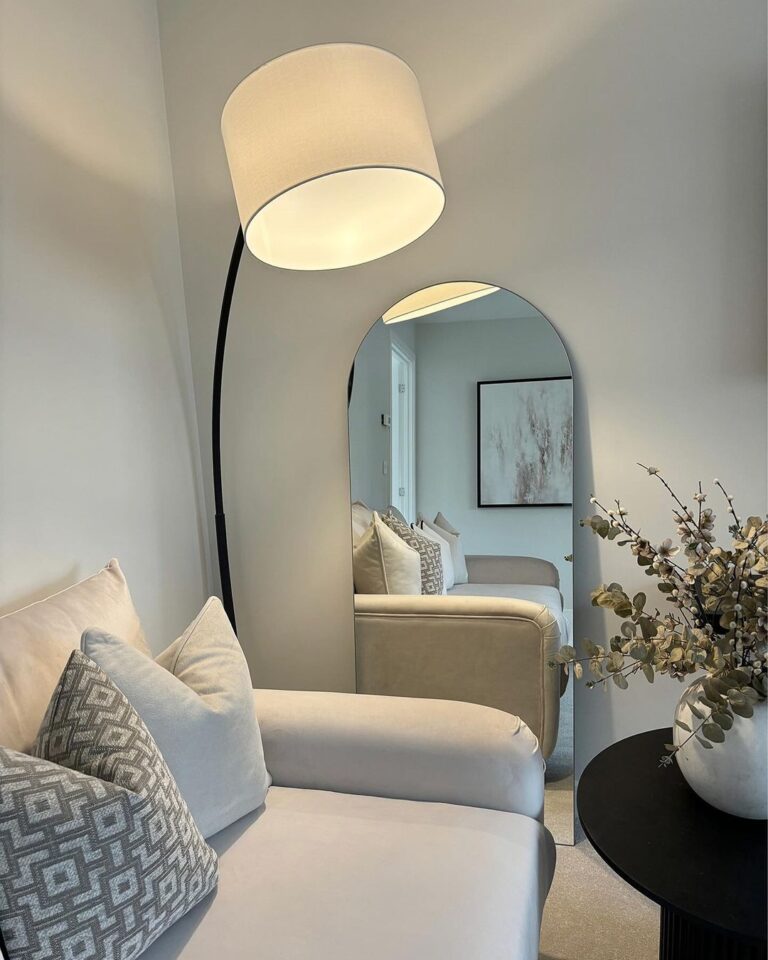
Mirrors are a simple but powerful trick to make your small apartment appear more spacious. They bounce light around the room and create a visual “copy” of your space, giving the illusion that it’s bigger than it actually is.
How to use mirrors for maximum effect:
- Place large, frameless mirrors directly across from windows to double the natural light.
- Incorporate mirrored furniture pieces or acrylic accents like clear chairs or side tables to reflect light without adding bulk.
- Use tall mirrors to draw the eye upward, emphasizing height in the room.
Watch out for overdoing it: Too many mirrors or reflections in odd spots can feel disorienting, like a funhouse. Keep the balance to maintain a clean, open vibe.
PA Home pro tip: Check out affordable oversized mirrors from retailers like IKEA or Wayfair. We also provide simple styling sketches to help you position mirrors perfectly for your space.
Tip 4: Choose Multifunctional, Scale-Smart Furniture
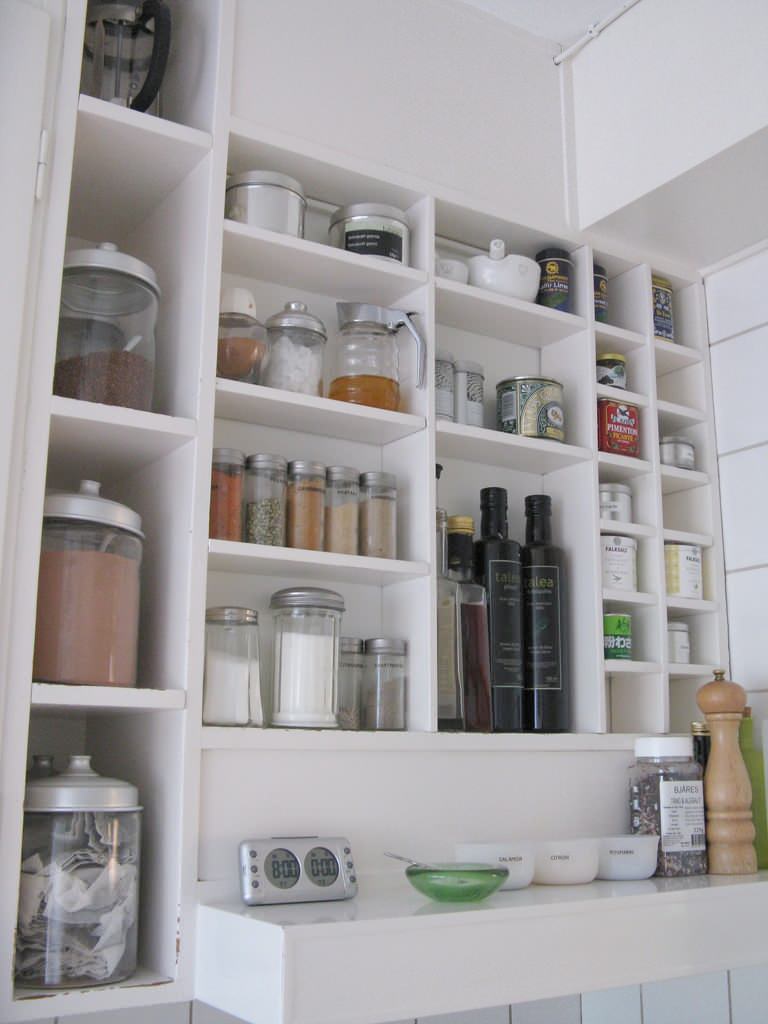
In small apartments, your furniture needs to pull double duty. Choosing pieces that save floor space while adding function is a game-changer for making the room appear more spacious.
Key Furniture Picks:
| Furniture Type | Why It Works |
|---|---|
| Slim Profile Sofa Beds | Comfortable seating + guest bed in one |
| Nesting Tables | Stack together to save space when not used |
| Wall-Mounted Desks | Clears floor space and creates work zones |
| Vertical Storage Shelves | Uses height for storage, frees floor area |
Layout Tips:
- Float furniture away from walls to create natural pathways and define zones.
- Use pieces to break up the room gently, adding breathing room without crowding.
- Keep scale in mind: avoid bulky furniture that swallows space.
PA Home Bonus:
Try our modular furniture quiz to find the best fit for your style and space. Check out our shoppable links for smart, multifunctional pieces that fit I.D. apartment styles and budgets.
Multifunctional furniture + smart layouts = a spacious, flexible living area without the clutter.
Who We Are ?

PA Home is a global full‑home customization brand with a strong presence in Indonesia. We launched the Indonesian operation in Jakarta in 2019, establishing a factory and showroom to serve both local and export markets.
Our product range spans beyond just kitchen cabinets. We offer an integrated system of solutions including wardrobes, doors, windows, wall panels, and bathroom furniture.
With advanced production lines (employing German‐HOMAG machines) and a dedicated design‑to‑installation workflow, we ensure precision, consistency, and high quality across all project scales.
What We Offer for Small Apartments ?
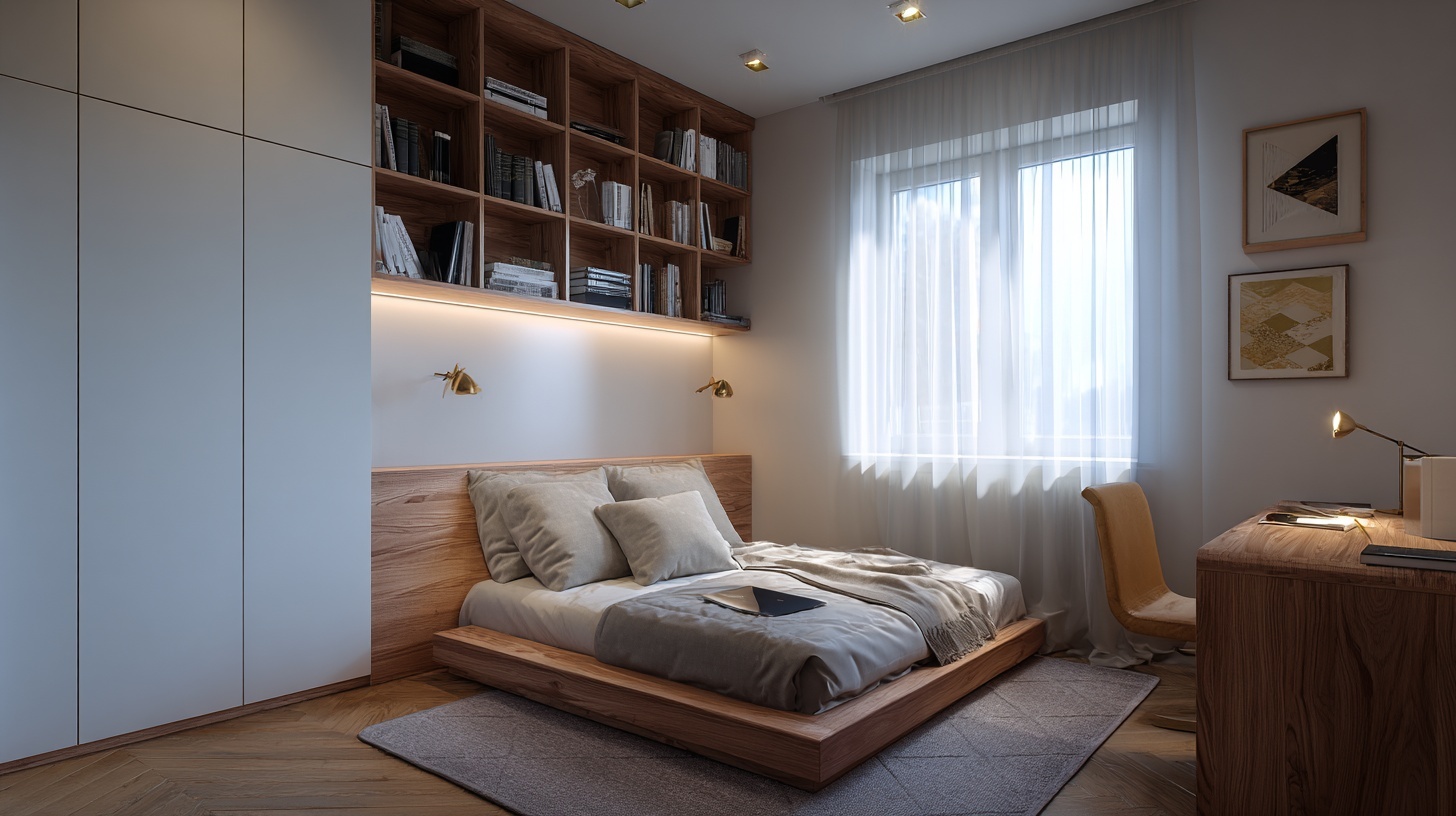
If you’re working with smaller‑scale residences (such as studios, one‑bed flats or compact units) we specialise in custom solutions designed to maximise space, style and storage. Here are just a few of the integrated elements we can provide:
Tailor‑made cabinets: built to fit the exact layout of your apartment — even irregular corners, slanted ceilings or compact kitchen footprints.
Storage‑optimised wardrobes: sliding doors, built‑in shelving, hidden compartments — we design for optimal use of limited space.
Side‑cabinets & display units: perfect for living areas or dining nooks, offering stylish storage that doesn’t overwhelm the room.
Wine cabinets & built‑in bar units: a great fit for urban apartment lifestyles — sleek, functional and integrated into the overall cabinetry design.
Full coordination across all elements: from cabinetry through to doors, windows and wall panels. Having one partner means a more harmonious finish and faster execution.