Travelers now judge your Indonesian hotel before they arrive, and outdated rooms, poor lighting, humid materials, or weak first impressions can cost you bookings.
Table of Contents
ToggleWith the right hotel renovation ideas in Indonesia, you can upgrade guest rooms, lobbies, bathrooms, outdoor spaces, and local design details to create a more comfortable, memorable, and profitable hotel experience.
Why Hotel Renovation Matters More Than Ever in Indonesia?
Indonesia’s Hospitality Industry Is Becoming More Competitive
Indonesia’s hospitality market continues to show strong demand in 2025 and 2026. BPS-Statistics Indonesia reported 1.41 million international visitor arrivals in December 2025, up 14.43% year over year. In early 2026, the market remained active, with 1.16 million arrivals in February and 1.09 million in March. This steady travel demand means Indonesian hotels face more opportunity, but also stronger competition. For older hotels, renovation is now a smart way to improve guest experience, protect room rates, and stay relevant in a fast-changing market.
Guests have more choices. New resorts, villas, boutique hotels, and branded properties enter the market every year. If your hotel looks dated, guests will notice fast. Renovation helps you stay visible. It gives travelers a reason to choose you instead of the hotel next door.
Modern Travelers Expect More Than Just Luxury
Luxury is not only marble and gold anymore. Today’s guests want comfort, authenticity, wellness, and ease. They want a quiet room. They want strong Wi-Fi. They want natural light. They want a bathroom that feels clean and relaxing. They want spaces that look good in photos.
And yes, they want local character. A hotel in Bali, Lombok, Jakarta, or Yogyakarta should not feel like a copy-paste property. It should feel connected to its place. Think of renovation like tailoring a suit. The best design fits your hotel’s body, not someone else’s.
Renovated Hotels Often Achieve Better Reviews and Higher Rates
A better guest experience usually leads to better reviews. Better reviews can influence booking decisions.
Tripadvisor shared research from an Ipsos MORI survey of more than 23,000 travelers and diners. It found that 77 percent of travelers were more likely to book when property owners responded personally to reviews. That tells us something important. Guests care about how a hotel listens and improves.
Renovation is one of the strongest ways to answer repeated complaints. Poor lighting? Fix it. Old bathrooms? Upgrade them. No storage? Add built-ins. Loud rooms? Improve windows and doors. Guests notice action.
Why Older Hotels in Bali Need Adaptive Renovation
Bali remains one of Indonesia’s strongest hospitality markets. BPS Bali recorded 591,221 direct foreign tourist visits to Bali in April 2025. Star-rated hotel occupancy reached 57.23 percent that month.
But older hotels face pressure. Many were built before today’s guest expectations changed. Some have dark rooms. Some have poor ventilation. Some use materials that age badly in humidity. Others have lobbies that feel empty or outdated.
Adaptive renovation solves this without destroying the hotel’s soul. You keep the charm. Then you improve comfort, durability, and function.
How to Choose the Right Renovation Ideas for Your Indonesian Hotel?
Identify Your Target Guests Before Renovating
Do not renovate blindly. First, ask who you want to attract. Different guests expect different hotel experiences.
Honeymooners want privacy and romance. Families need safety and storage. Business travelers want quiet rooms and smart workspaces. Your guest profile should guide every design choice.
Match Renovation Priorities with Your Budget
Not every hotel needs a full rebuild. Sometimes, small upgrades create a strong impact. Start with areas guests notice most.
Focus on rooms, bathrooms, lighting, air-conditioning, outdoor seating, windows, and storage. Spend your budget where guests can truly feel the difference.
Balance Beautiful Design with Long-Term Maintenance
A hotel should look beautiful, but it must also be easy to maintain. In Indonesia’s tropical climate, humidity, rain, salt air, and insects can damage weak materials quickly.
Choose finishes that resist moisture, stains, corrosion, and heavy use. A hotel is not a showroom. It is a busy space that must work every day.
Choose Ideas That Support Your Brand Positioning
Every renovation should support your hotel’s identity. Are you a wellness retreat, city business hotel, cultural boutique stay, or beachfront resort?
Your design should make that promise clear. When the space matches the brand, guests understand your value faster.
Create a Strong First Impression with Lobby Renovations
Open-Air Tropical Lobby Concepts

An open-air lobby works beautifully in many Indonesian hotels. It welcomes wind, light, plants, and views.
It also creates an immediate sense of place. Guests feel they have arrived somewhere special.
Use deep overhangs, ceiling fans, shaded seating, and durable flooring. Comfort should lead the design.
Integrating Local Indonesian Materials and Craftsmanship

Local materials create warmth and authenticity. Consider teak, bamboo, rattan, volcanic stone, terracotta, natural fiber, and handmade tiles.
But do not overload the space. Use local details like seasoning, not sauce.
A carved reception desk or woven ceiling panel can say more than ten random decorations.
Designing Instagrammable Arrival Experiences

Guests love memorable arrival moments. This does not mean building a giant neon wall.
A strong photo spot can be elegant. Try a dramatic doorway, water feature, art wall, sculptural lighting, or framed garden view.
When guests share photos, your lobby becomes free marketing.
Flexible Lobby Spaces for Coworking and Socializing

Modern lobbies must do more. Guests use them to wait, work, meet, and relax.
Add comfortable seating, power outlets, small tables, and quiet corners. A lobby café can also increase revenue.
Think of the lobby as your hotel’s living room.
Better Lighting Design for Hospitality Spaces

Lighting changes everything. Poor lighting makes even expensive materials look cheap.
Use layers. Combine daylight, ceiling lights, wall lights, table lamps, and accent lighting.
Warm light creates comfort. Focused light helps check-in. Soft light makes lounges feel calm.
Modern Guest Room Renovation Ideas That Improve Guest Experience
Guest rooms are where guests spend the most private moments of their stay. A beautiful lobby may impress them first, but the room decides how they sleep, relax, work, and review your hotel.
For Indonesian hotels, guest room renovation should focus on comfort, durability, storage, privacy, and tropical performance. The goal is simple: make every room feel easier, calmer, and more valuable.
Smart Hotel Room Features Guests Actually Use
Smart hotel room features should make life easier, not more confusing. Guests want simple controls, fast Wi-Fi, enough charging points, and reliable air-conditioning.
Useful upgrades include USB-C outlets, bedside light controls, smart thermostats, keyless entry, and easy-to-use blackout curtains. Avoid complicated systems that require instructions. Good technology should feel invisible.

Custom Wardrobes and Built-In Cabinets That Maximize Guest Room Space
Storage can completely change how a room feels. Custom wardrobes and built-in cabinets help reduce clutter and make small rooms feel more organized.
Add luggage space, hanging areas, open shelves, hidden drawers, and safe storage. For resorts and long-stay hotels, built-in cabinets are especially useful because guests often carry more items.

Luxury Bathroom Vanities and Custom Bathroom Storage Solutions
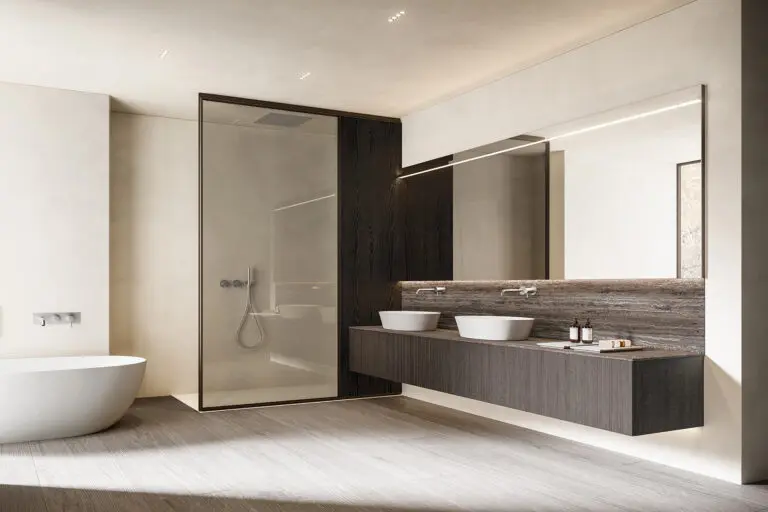
Bathrooms strongly influence guest satisfaction. A dated vanity, poor storage, or messy countertop can make the whole room feel less premium.
Custom bathroom vanities help create a cleaner and more luxurious look. Use moisture-resistant materials, easy-clean surfaces, hidden storage, and good lighting around the mirror. In humid climates, durability matters as much as beauty.

Modern Aluminum Windows and Sliding Systems for Tropical Hotels
Modern aluminum windows and sliding systems can improve light, airflow, sound control, and energy performance. They are especially useful for hotels in coastal or tropical areas.
Choose corrosion-resistant frames, quality glass, and smooth sliding tracks. Good window systems help rooms feel brighter and more open, while also protecting interiors from rain, heat, and noise.

Custom Wood Doors That Improve Hotel Room Style and Privacy
A guest room door is more than an entry point. It affects privacy, sound control, security, and the first impression of the room.
Custom wood doors can make hotel rooms feel warmer and more refined. Use durable finishes, strong hardware, and proper sealing. A well-designed door gives guests a stronger sense of comfort and safety.

Wall Panels and Decorative Surfaces That Create a Luxury Hospitality Feel
Wall panels are a smart way to add depth and texture without overcrowding the room. They can make a simple space feel more designed and more expensive.
Use panels behind the bed, around the TV wall, or near the entry area. Wood veneer, textured laminate, stone-look panels, and acoustic surfaces can all work well. Just make sure they are easy to clean and suitable for hotel use.

Flexible Furniture Layouts for Families and Digital Nomads
Modern travelers use hotel rooms in different ways. Families need space for children and luggage. Digital nomads need a comfortable work area and reliable power access.
Flexible layouts can serve both groups better. Use movable chairs, compact desks, sofa beds, nesting tables, and multi-purpose storage. A flexible room feels more useful without needing more square meters.

Improving Natural Lighting and Tropical Ventilation in Guest Rooms
Natural light makes a room feel larger, fresher, and more welcoming. It also helps hotel photos look better online.
Improve lighting with larger windows, glass doors, light curtains, mirrors, and brighter wall colors. For ventilation, consider operable windows, balcony doors, ceiling fans, and smart airflow planning. In tropical hotels, fresh air and moisture control are essential.

Hotel Fixed Furniture and Millwork That Improve Long-Term Durability
Fixed furniture and millwork are important for hotel durability. Unlike loose furniture, built-in pieces are designed to fit the space and handle daily use.
Use hotel-grade materials for headboards, desks, wardrobes, TV units, vanities, and wall panels. Well-made millwork reduces damage, improves storage, and keeps rooms looking consistent for years. It is a practical investment, not just a design upgrade.

Outdoor Renovation Ideas for Resorts and Tropical Hotels
Poolside Lounge Renovation Ideas for Modern Resorts

The pool area is often the emotional center of a resort. Make it comfortable, shaded, and photogenic.
Use durable loungers, cabanas, outdoor showers, slip-resistant flooring, and soft lighting.
Do not forget service flow. Staff should move easily without disturbing guests.
Outdoor Dining Areas That Enhance Guest Experience

Outdoor dining works well in Indonesia when planned properly.
Add shade, fans, good lighting, and rain protection. Choose furniture that resists moisture and stains.
A beautiful breakfast terrace can become a guest’s favorite memory.
Wellness Gardens and Relaxation Spaces

Wellness gardens are powerful renovation ideas. They do not always require huge space.
Use layered plants, stone paths, water sounds, and quiet seating. Add yoga decks or spa waiting areas.
Nature can be your most affordable luxury.
Indoor-Outdoor Living Concepts with Sliding Door Systems

Sliding doors can connect rooms, restaurants, and lounges to gardens or terraces.
They make spaces feel larger. They also support tropical living.
Choose strong tracks, quality locks, and weather-resistant frames. Cheap systems fail quickly in coastal climates.
Landscape Design That Strengthens Resort Branding

Landscape is not background. It is part of the brand.
A lush tropical resort needs different planting from a minimalist urban hotel. Use plants, lighting, paths, and water to guide emotion.
Guests may forget a chair. They rarely forget a beautiful garden.
Hotel Renovation Ideas Based on Budget and Project Goals
Low-Budget Updates
Start with visible changes. Update paint, bedding, curtains, lamps, mirrors, signage, plants, and artwork.
These upgrades are fast and affordable. They also improve photography.
Mid-Range Renovations
Focus on guest comfort. Upgrade bathrooms, room lighting, wardrobes, lobby seating, and restaurant furniture.
This level often gives strong guest satisfaction gains.
High-End Renovations
A major renovation can reposition the entire hotel. This may include new room layouts, façade upgrades, pools, spas, restaurants, and full brand redesign.
Use this path when the hotel needs a new market position.
Common Hotel Renovation Mistakes to Avoid
Copying International Design Trends Without Local Context
Trends fade. Context lasts.
A hotel in Indonesia should respond to climate, culture, and guest behavior. Do not copy a New York or Dubai hotel without adapting it.
Poor Lighting Design That Makes Spaces Feel Uncomfortable
Lighting can make or break a renovation.
Avoid harsh ceiling lights. Avoid dark bathrooms. Avoid cold light in relaxing spaces.
Good lighting makes guests feel welcome.
Ignoring Indonesia’s Tropical Climate Challenges
Humidity, rain, heat, salt air, and insects are real design factors.
Use the wrong material, and the hotel will show damage quickly.
Overusing Technology That Guests Find Complicated
Smart design should feel simple. Too many controls confuse guests.
Use technology only when it improves comfort.
Choosing Cheap Materials That Age Quickly
Cheap laminate, weak hardware, and poor outdoor furniture can fail fast.
Invest in fewer, better things. Your future maintenance budget will thank you.
Conclusion
The best hotel renovation ideas for Indonesia combine beauty, comfort, culture, sustainability, and business value. A successful renovation should not only make your hotel look newer. It should help guests sleep better, move easier, feel more relaxed, and remember your brand after they leave. Start with your target guests, study your property’s real problems, and choose upgrades that improve both guest experience and long-term operation.
Hotel renovation is more than construction. It is a way to tell your brand story through space, light, materials, furniture, and details. If you are planning a hotel renovation in Indonesia, contact PA HOME to explore custom hotel furniture,and full-space solutions that help transform your hotel into a place guests want to return to.
FAQs
1. What are the best hotel renovation ideas for Indonesian hotels?
The best hotel renovation ideas for Indonesian hotels include guest room upgrades, lobby redesign, luxury bathroom vanities, custom wardrobes, aluminum windows, sliding systems, outdoor lounge areas, and sustainable materials.
For tropical climates, hotels should also focus on moisture-resistant finishes, better ventilation, durable millwork, and energy-efficient lighting and cooling systems.
2. Why is custom hotel furniture important for renovation?
Custom hotel furniture helps maximize space, improve durability, and create a consistent brand look. It is especially useful for wardrobes, built-in cabinets, bathroom vanities, headboards, TV units, and wall panels.
Unlike standard furniture, custom furniture can fit each room layout perfectly. This helps reduce wasted space and improves the guest experience.
3. How can hotel renovation improve guest experience?
Hotel renovation improves guest experience by making rooms more comfortable, functional, and visually appealing. Better lighting, storage, ventilation, bathrooms, and privacy can directly affect how guests feel during their stay.
When guests enjoy a smoother and more comfortable stay, they are more likely to leave positive reviews, recommend the hotel, and return in the future.
4. What should hotels in Indonesia consider before renovating?
Hotels in Indonesia should consider their target guests, budget, climate, brand positioning, and long-term maintenance needs before renovating. Tropical weather can affect materials, windows, doors, furniture, and outdoor areas.
It is also important to choose durable, moisture-resistant solutions and plan renovation work carefully to reduce disruption to daily hotel operations.