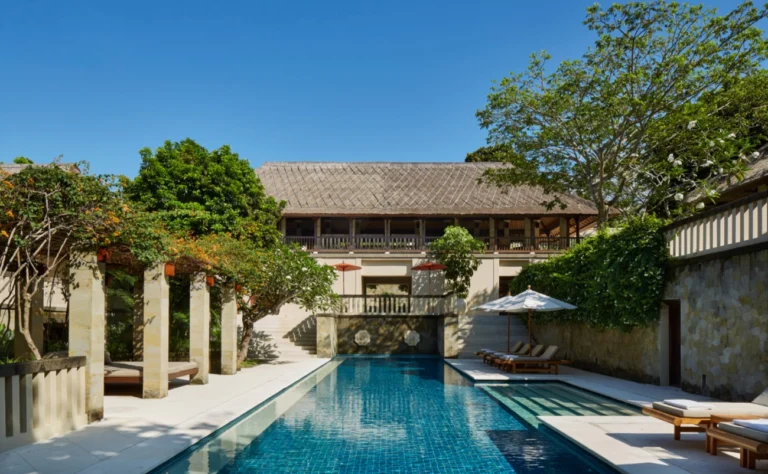
In tropical climates, many homes feel hot, humid, and hard to cool, even with air conditioning running all day.
Table of Contents
ToggleCustom windows and doors offer a smarter way to improve building performance by controlling heat, airflow, daylight, rain, and long-term durability.
They are more than design features. They work like the home’s climate control valves. The right system can bring in fresh air, block harsh sun, reduce cooling demand, and protect interiors from heavy rain and moisture. For homeowners, that means better comfort, lower maintenance, and a home that feels built for the tropics—not forced to fight against them.
What Is “Building Performance” — And Why Windows & Doors Matter?
Building performance is about how well a home works every day. Does it stay cool? Does fresh air move through it? Does it keep rain, heat, noise, and moisture outside? In tropical climates, these questions matter more than style alone.
Windows and doors play a major role because they are the most active parts of the building envelope. They control how sunlight, airflow, heat, water, and views move between indoors and outdoors. A poorly designed window can turn a room into a heat box. A weak door system can let in rain, humidity, and outdoor noise.
That is why custom windows and doors are so valuable. They can be designed around the home’s location, orientation, room function, and climate conditions. Instead of forcing a standard product into a unique tropical home, custom openings help the building perform the way it should: cooler, drier, brighter, safer, and more comfortable.
Why Tropical Buildings Need High-Performance Openings?
Tropical buildings face three constant pressures: heat, humidity, and strong solar radiation. These forces do not just affect comfort. They also affect energy use, indoor air quality, material durability, and long-term maintenance.
First, high temperatures increase cooling demand. The International Energy Agency reports that buildings account for about 30% of global final energy consumption, and cooling demand is expected to keep growing. This makes every part of the building envelope important, especially windows and doors.
Second, high humidity creates moisture risks. ASHRAE notes that in hot and humid climates, buildings must be designed to avoid condensation and moisture absorption. If moisture is not controlled, it can lead to mold growth, decay, and damage to building materials.
Third, strong solar radiation can quickly overheat interiors. Poorly designed glass openings allow too much heat and glare inside. The U.S. Department of Energy states that windows, doors, and skylights influence a home’s energy use, daylight, and comfort, which makes them critical parts of the building envelope.
That is why windows and doors are not just design details. They are key performance points. They control how heat, air, light, water, and moisture move between indoors and outdoors.
In tropical homes, high-performance openings can help:
- Reduce indoor heat gain
- Improve natural ventilation
- Control humidity and condensation
- Lower air-conditioning loads
- Resist rain, wind, and corrosion
- Improve comfort and durability
In short, if the walls are the body of a tropical home, windows and doors are its breathing system and climate shield.
How Custom Windows and Doors Improve Building Performance?
Custom windows and doors improve performance in several practical ways.
They improve natural ventilation
Good ventilation is gold in a tropical home.
When air moves, the home feels fresher. Heat does not sit in corners. Humidity has a better chance to escape.
Custom windows can be placed to catch prevailing breezes. High and low openings can help warm air rise and leave. Casement windows can scoop wind into a room. Louver windows can keep airflow moving even during light rain.
They reduce solar heat gain
In the tropics, too much glass in the wrong place can become a heat trap.
Custom windows help manage this.
You can reduce west-facing glass. You can use deeper frames. You can add overhangs, screens, or louvers. You can choose glass that limits unwanted heat.
The goal is simple: bring in daylight without inviting the whole sun inside.
They help lower cooling demand
When windows and doors reduce heat gain, the air conditioner works less.
ENERGY STAR says certified windows, doors, and skylights are independently tested to meet or exceed energy efficiency guidelines set by the U.S. Environmental Protection Agency. That kind of performance thinking is especially valuable in hot climates.
A cooler envelope means better comfort and lower long-term operating costs.
They improve water and wind resistance
Tropical rain often comes sideways.
That means the window system must manage more than falling water. It must resist wind-driven rain, pressure, and drainage issues.
These details may not look dramatic. But during a storm, they matter.
They protect against humidity and corrosion
Humidity attacks materials slowly.
Salt air works even faster.
Custom windows and doors can use corrosion-resistant aluminum, uPVC, composite frames, stainless steel hardware, marine-grade finishes, and moisture-resistant door cores.
This helps reduce swelling, rust, peeling, and hardware failure.
They improve daily comfort
Performance is not only about numbers.
It is about how the home feels at 3 p.m. It is about sleeping without stuffy air. It is about opening a terrace door and feeling the space expand. It is about enjoying daylight without glare.
Good custom openings make comfort feel effortless.
How Custom Windows and Doors Improve Building Performance?
A high-performing tropical home starts with smart design choices. Here are four key strategies.
Design by Orientation
Match each opening to the sun path. Use stronger shading for east- and west-facing windows. Use larger openings where daylight and breezes are easier to control.
Design for Cross Ventilation
Create clear air paths through the home. Place openings on opposite sides. Add high windows to release warm air.
Combine Openings with Shading
Do not rely on glass alone. Use overhangs, louvers, screens, shutters, or deep frames to block heat before it enters.
Strengthen Sealing and Drainage
Plan for heavy rain. Choose quality seals, sloped sills, raised thresholds, and drainage tracks to keep water outside.
Best Window and Door Types for Tropical Homes
There is no single “best” type for every home.
But some options perform especially well in tropical climates.
Louver windows

Louver windows are a classic tropical solution.
They allow adjustable airflow. They can stay partly open during light rain. They offer privacy and shade when designed well.
They work well in bathrooms, kitchens, stairwells, laundry areas, and semi-outdoor spaces.
Casement windows

Casement windows open outward like a door.
They catch breezes better than many sliding windows. When closed, they can seal tightly.
They are great for bedrooms, living areas, and rooms that need strong ventilation.
Awning windows

Awning windows are hinged at the top.
They can let air in while helping shield against rain. This makes them useful in wet climates.
They work well above fixed glass panels or in bathrooms.
Sliding windows
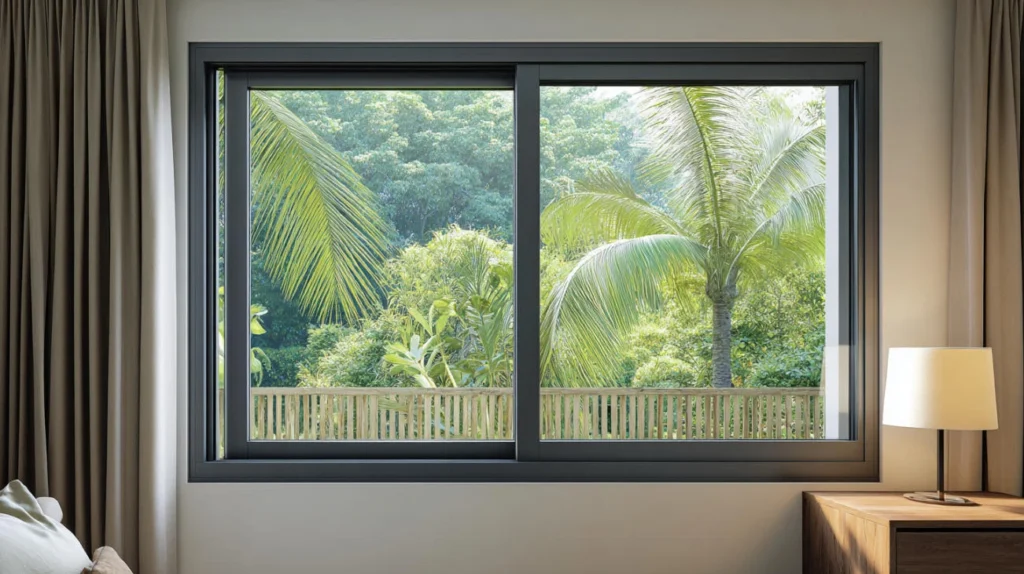
Sliding windows are practical and space-saving.
They are easy to use and suit modern homes. However, they usually open only halfway. For stronger airflow, pair them with other window types.
Choose high-quality tracks and drainage systems.
High-low window combinations

This is a smart passive cooling strategy.
Cooler air enters through lower openings. Warm air exits through higher ones. It is simple physics.
This setup works well in stairwells, double-height living rooms, and homes with pitched roofs.
Large sliding doors

Large sliding glass doors are ideal for tropical living.
They connect indoor spaces with patios, gardens, pools, and terraces. They bring in views and daylight.
For better performance, choose insulated glass, durable tracks, insect screens, and strong locking systems.
Folding doors

Folding doors create wide openings.
They are perfect for resort-style homes and entertainment areas. When open, they erase the boundary between indoors and outdoors.
But quality matters. In humid climates, weak folding systems can sag or leak. Use strong frames and corrosion-resistant hardware.
Louvered or ventilated doors

These doors are practical heroes.
They help air move through kitchens, bathrooms, closets, laundry rooms, and storage areas. They also reduce stale odors and trapped moisture.
Design Inspiration: Combining Performance and Aesthetics
Performance does not have to look technical.
It can be beautiful.
In fact, many tropical design features are both functional and stylish.
Modern tropical style
Use slim aluminum frames, wide glass panels, warm wood tones, and deep roof overhangs.
The result feels clean, airy, and calm.

Coastal home style
Choose light frame colors, corrosion-resistant hardware, large sliding doors, and hurricane-rated glass where needed.
This look feels fresh and durable.

Resort villa style
Use folding doors, louvered shutters, garden-facing openings, and indoor-outdoor living zones.
The home starts to feel like a private retreat.

Eco-efficient style
Combine passive ventilation, exterior shading, Low-E glass, and screened openings.
This style feels smart, simple, and responsible.

Minimalist tropical style
Use hidden tracks, narrow frames, large fixed panels, and clean thresholds.
The design feels quiet, but the performance stays strong.

How to Choose the Right Custom Solution — Step by Step
Choosing custom windows and doors can feel overwhelming.
Here is a simple path.
Step 1: Study the climate and site
Ask:
- Is the home near the ocean?
- Does the area face typhoons or hurricanes?
- Which side gets the strongest sun?
- Where does rain hit hardest?
- Where do breezes come from?
The site gives you the first design brief.
Step 2: Define your main performance goals
Do you want a cooler home?
Better airflow?
Lower energy bills?
Storm protection?
Less maintenance?
More indoor-outdoor connection?
Rank your top three goals. This keeps the project focused.
Step 3: Match each room to its real needs
A bedroom needs privacy, quiet, and comfort.
A kitchen needs ventilation and easy cleaning.
A bathroom needs moisture control.
A living room may need views, shade, and large openings.
Do not use the same solution everywhere.
Step 4: Choose the right opening type
Pick window and door types based on function.
Use louvers for airflow. Use casements to catch wind. Use sliding doors for outdoor connection. Use awning windows for rainy ventilation.
Form should follow performance.
Step 5: Select glass and frame materials
For hot tropical areas, consider Low-E or solar-control glass.
For coastal zones, choose corrosion-resistant frames and hardware.
For storm zones, ask about laminated or impact-rated glass.
Step 6: Plan shading early
Do not add shading as decoration later.
Build it into the design.
Overhangs, screens, shutters, and louvers should work with the openings from day one.
Step 7: Check testing and certification
Ask suppliers for performance data.
ENERGY STAR and NFRC resources help homeowners compare energy performance ratings for windows, doors, and skylights.
Look for ratings related to air leakage, water resistance, wind load, thermal performance, and solar heat gain.
Step 8: Think about maintenance
A cheaper product may cost more over time.
Especially in tropical climates.
Choose finishes, tracks, seals, and hardware that can handle moisture, salt, sun, and daily use.
Step 9: Work with experienced professionals
Custom openings need proper design and installation.
Even the best window can fail if installed poorly.
A skilled team will consider structure, flashing, drainage, sealants, and local weather patterns.
Conclusion: Custom Windows and Doors Are a Performance System
In tropical climates, custom windows and doors are not just design details. They are a complete building performance system. They help control heat, humidity, airflow, daylight, rain, and durability. With the right design, a home can feel cooler, brighter, safer, and easier to maintain.
If you are planning a tropical home or upgrading an existing one, PA HOME can help you create custom window and door solutions that match your climate, space, and lifestyle. Contact us to explore designs that improve comfort, performance, and long-term value.
FAQs
1. Why are custom windows and doors better for tropical homes?
Custom windows and doors can be designed for local heat, humidity, sun exposure, rain, and wind. They improve ventilation, reduce heat gain, prevent water leaks, and make the home more comfortable.
2. What window types work best in tropical climates?
Louver windows, casement windows, awning windows, and high-low window combinations work well. They support natural airflow, release warm air, and help reduce indoor humidity.
3. How can custom doors improve building performance?
Custom doors can improve insulation, airflow, storm resistance, and indoor-outdoor connection. Sliding doors, folding doors, and louvered doors are especially useful for tropical homes.
4. What materials are best for tropical windows and doors?
Powder-coated aluminum, uPVC, composite frames, laminated glass, Low-E glass, and stainless steel hardware are strong choices. They resist heat, moisture, corrosion, and daily wear.