
Furnishing a new apartment is exciting, but the wrong furniture choices can quickly turn into expensive mistakes. A sofa might look perfect online but make your living room feel cramped. A wardrobe could offer plenty of storage yet leave little room to move around. So, how do you furnish an apartment that feels comfortable, organized, and complete without overspending?
Table of Contents
ToggleThe key is choosing furniture that works for your space, lifestyle, and budget. This guide covers an apartment furniture checklist, purchasing priorities, furnishing costs, and practical layout tips. You’ll also discover when ready-made furniture is enough and how custom furniture can help you make better use of limited space.
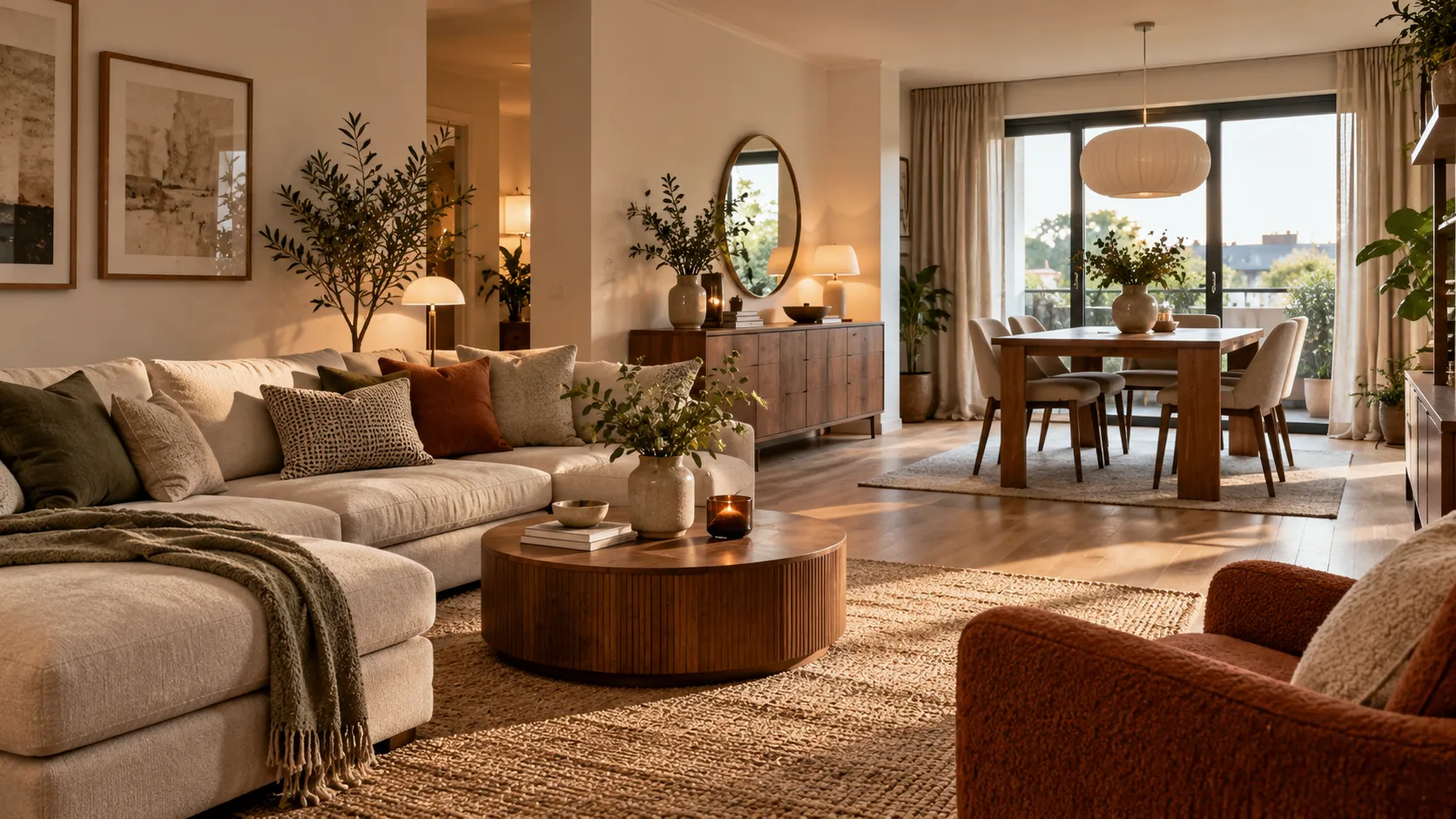
Apartment Furniture Checklist: What Do You Really Need?
Furnishing an apartment starts with understanding what you actually need, rather than buying furniture for every room. If you’re furnishing your first apartment, check what’s already included before making a shopping list. Some apartments have kitchen cabinets, built-in wardrobes, and bathroom vanities, while others offer limited storage. Knowing what’s missing helps you avoid unnecessary purchases and plan your apartment furnishing budget more effectively.
The right furniture also depends on your apartment size and daily routine. A studio may need multifunctional pieces, while a larger apartment offers more flexibility. Use this room-by-room apartment furniture checklist to identify basic apartment furniture, optional purchases, and areas where custom storage may help.
Living Room
Coffee table, TV stand, accent chair
Built-in TV cabinet with storage
Bedroom
Nightstands, dresser
Fitted wardrobe with drawers and shelves
Kitchen & Dining
Kitchen island, sideboard
Custom kitchen cabinets
Bathroom
Additional shelving
Custom bathroom vanity
Entryway
Bench, console table
Slim built-in shoe cabinet
Workspace
Bookshelf, filing cabinet
Integrated desk and storage
Choosing Furniture That Fits Your Apartment
Choosing furniture for small apartments isn’t simply about buying smaller pieces. It’s about making the best use of available space. If your kitchen already has functional cabinets, additional organizers may be enough. A narrow bedroom, however, might benefit from a fitted wardrobe that uses otherwise wasted wall space.
Renters often prefer movable furniture, while homeowners may consider built-in storage for long-term needs. Once you’ve identified what’s missing, you can prioritize essential purchases and leave less important furniture for later.
What Furniture Should You Buy First for an Apartment?
When furnishing a new apartment, you don’t need to buy everything at once. Start with furniture you’ll use every day, plan fixed installations early, and leave nonessential purchases until you’ve settled in. This approach helps you control your budget and avoid buying furniture that doesn’t fit your needs.
| Priority | Furniture Examples | Suggested Timeline |
|---|---|---|
| Buy First | Bed, mattress, seating, lighting, basic dining furniture | Order 2–4 weeks before moving in |
| Plan Early | Custom kitchen cabinets, fitted wardrobes, built-in storage | Start planning 8–16+ weeks before moving in |
| Buy Later | Coffee table, accent chairs, decorative shelves | Consider 2–4 weeks after moving in |
These are suggested planning windows, not guaranteed delivery times. Confirm actual availability and installation schedules with your suppliers.
Why Built-In Furniture Needs Early Planning?
If your apartment needs custom kitchen cabinets, fitted wardrobes, or additional built-in storage, arrange these installations before moving in when possible. Unlike ready-made furniture, custom cabinets require measurements, design approval, production, and installation. Planning ahead helps avoid delivery conflicts and makes it easier to fit cabinets around existing walls, appliances, and furniture.
Why Some Furniture Can Wait?
When furnishing your first apartment, focus on everyday comfort rather than buying a complete furniture set immediately. Coffee tables, accent chairs, and decorative storage can wait until you’ve experienced how each room works. You may discover that your living room needs more storage instead of extra seating, helping you spend money on furniture you’ll actually use.
The best strategy is to buy essential furniture first, plan custom installations early, and add optional pieces as your needs become clearer.
How Much Does It Cost to Furnish an Apartment?
How much should you budget for apartment furniture? It depends on what you already have, how many rooms you’re furnishing, and the type of furniture you choose. A small apartment with built-in storage may need fewer purchases than a larger, completely empty one.
Instead of trying to find one perfect number, start by working out what your apartment actually needs.
What Affects Apartment Furnishing Costs?
Apartment size matters, but so does what’s included. If your kitchen already has cabinets and appliances, you can spend more of your budget on a comfortable bed, sofa, and dining furniture. An apartment without built-in storage may need additional wardrobes or cabinets.
Furniture quality, local prices, delivery, and assembly also affect the total. Custom furniture can add another expense, particularly when it involves new kitchen cabinets or fitted wardrobes.
How to Divide Your Furniture Budget?
Start with the pieces you’ll use every day. Give your bedroom and living room enough room in the budget, then account for dining furniture, storage, and lighting.
Don’t forget the less obvious costs. Delivery, assembly, and small last-minute purchases can add up, so keep part of your budget untouched until everything arrives. If your apartment needs major custom cabinetry, estimate that separately rather than treating it as a small furniture expense.
Is $5,000 Enough to Furnish an Apartment?
Yes, $5,000 can be enough for a modest one-bedroom apartment, especially if the kitchen, appliances, and bathroom fixtures are already in place.
For context, HomeGuide estimates that furnishing a one-bedroom home in the U.S. can cost around $4,000–$15,000. That gives you a useful reference, although actual apartment furnishing costs vary by location and shopping choices.
Here’s one way to divide a $5,000 budget:
| Furniture & Expenses | Example Budget |
|---|---|
| Bedroom furniture | $1,300 |
| Living room furniture | $1,300 |
| Kitchen and dining furniture | $650 |
| Additional storage | $500 |
| Lighting and accessories | $250 |
| Delivery and assembly | $350 |
| Unexpected expenses | $650 |
| Total | $5,000 |
This is an illustrative budget, not an industry-average price breakdown. It assumes existing kitchen cabinets, major appliances, and bathroom fixtures.
This budget could cover the essentials without filling every corner of your apartment. But if you need a new kitchen, fitted wardrobes, or other large built-in units, get separate quotes before deciding on your total budget. Those projects can change the cost considerably.
How to Furnish an Apartment on a Budget
Furnishing an apartment on a budget doesn’t mean buying the cheapest furniture you can find. You can often save more by shopping selectively, keeping what still works, and avoiding unexpected costs.
- Shop secondhand and clearance sales. Dining tables, bookshelves, and other sturdy furniture can be good secondhand purchases. Check their condition before buying, and compare prices with new ready-made options.
- Improve before replacing. If your apartment already has functional cabinets or wardrobes, consider adding organizers, extra shelves, or new hardware instead of replacing them. Small upgrades can make existing storage more useful at a lower cost.
- Compare the total price. Delivery, assembly, and return fees can turn a bargain into an expensive purchase. Check these costs alongside furniture quality and warranty coverage before ordering.
How to Plan Your Apartment Furniture Layout?
A sofa might fit your living room perfectly on paper but still leave little space to walk around it. A good apartment furniture layout considers more than furniture dimensions. It should also make everyday activities comfortable and convenient.
Step 1: Measure Your Apartment Before Buying Furniture
Start by measuring wall lengths, ceiling heights, doorways, windows, and existing fixtures. Note the location of electrical outlets and the direction doors open. Then compare these measurements with the furniture you want to buy.
Don’t forget the delivery route. A large sofa or wardrobe must also fit through the building entrance, elevator, hallways, and apartment doorway.
Step 2: Arrange Furniture Around Daily Activities
Position your main furniture first, such as the bed, sofa, and dining table. Keep walking routes clear and leave enough room to open wardrobe doors, pull out drawers, and move dining chairs comfortably.
Kitchen furniture needs extra attention. The National Kitchen & Bath Association (NKBA) recommends work aisles of at least 42 inches (107 cm) for one cook or 48 inches (122 cm) for multiple cooks. These are planning recommendations, not universal building requirements.

Step 3: Test Your Layout Before Purchasing
Use a scaled floor plan or digital room planner to test your furniture placement. Mark each item’s actual dimensions, then check the space around it rather than focusing only on where it fits.
Can you walk through the room without squeezing past furniture? Will a cabinet door open fully? Does the dining table leave enough room for people to sit down comfortably?
If something feels too crowded, try a different furniture size or arrangement before ordering. For custom wardrobes and built-in cabinets, confirm the final measurements before production.
The best apartment layout isn’t necessarily the one with the most furniture. It’s the one that works comfortably for your daily routine.
How to Furnish a Small Apartment: Space-Saving Furniture Ideas
Choosing small apartment furniture isn’t simply about buying smaller pieces. The right furniture should make everyday life easier while keeping your space comfortable and organized.

Choose Multifunctional Furniture
A storage bed keeps bedding and seasonal clothing out of sight, while an extendable dining table provides extra seating when needed. Choose furniture with functions you'll actually use, and consider how much space it needs when opened.
Make Better Use of Vertical Space
Floor-to-ceiling wardrobes and tall cabinets make use of wall height without requiring additional floor space. Keep everyday essentials within easy reach and reserve upper compartments for items you use less often.
Combine Storage with Everyday Furniture
If a separate desk and wardrobe would crowd your bedroom, an integrated design may work better. PA Home's rental apartment furniture project shows how a built-in desk and wardrobe can share one wall, making better use of limited space.
Choose Storage Based on Your Needs
More storage isn't always better. Before adding another cabinet, consider what you actually need to organize. In a studio apartment, a few well-planned storage pieces may be more useful than filling every wall with extra shelves.
Ready-Made vs Custom Furniture: What Should You Customize?
Not every apartment needs custom furniture. Ready-made pieces often work well when standard sizes fit, while custom cabinetry can solve problems with awkward dimensions or specific storage needs. The best choice depends on your space, budget, and how long you plan to stay.
| Consideration | Ready-Made Furniture | Custom Furniture |
|---|---|---|
| Fit | Available in standard sizes | Designed for specific dimensions |
| Cost | Prices are easier to compare | Quoted based on specifications |
| Lead Time | Often faster when in stock | Requires design and production |
| Flexibility | Usually easier to relocate | Built-in pieces are harder to move |
| Best For | Renters and standard layouts | Long-term homes and challenging spaces |
Final Thoughts: Furnish an Apartment That Works for You
Furnishing an apartment isn’t about filling every room at once. Focus on furniture you’ll use every day, choose pieces that fit your space and budget, and give yourself time to understand what your home really needs.
For smaller apartments, multifunctional furniture and thoughtful storage can make everyday living easier. Ready-made pieces often work well, while custom cabinetry may be worth considering when standard furniture doesn’t fit your space or storage needs.
A well-furnished apartment isn’t the one with the most furniture. It’s the one where every piece has a purpose.
FAQ
Start with a bed, mattress, comfortable seating, lighting, and basic dining furniture. Add clothing storage if your apartment doesn’t have built-in wardrobes. Focus on everyday essentials first, then purchase decorative pieces after moving in.
A $5,000 budget can be enough for a modest one-bedroom apartment if you choose affordable furniture and already have kitchen cabinets, appliances, and bathroom fixtures. Costs vary by location, and major custom cabinetry usually needs a separate budget.
Compare ready-made furniture with secondhand and clearance options. Used tables, bookshelves, and other sturdy pieces can offer good value. Keep functional furniture you already own, and compare delivery and assembly fees before choosing the lowest-priced item.
Choose furniture that supports multiple activities without filling the room. A storage bed, compact dining table, or desk with shelving can reduce the need for extra pieces. Use furniture placement to distinguish sleeping, living, and working areas.
Yes. Tools such as IKEA Kreativ can help you visualize furniture placement before buying. A scaled floor plan also works well. Whichever method you choose, check actual furniture dimensions and the space needed to open doors and drawers.
As a starting point, allow around 2–4 weeks for ready-made essentials and begin planning custom cabinetry 8–16 weeks or more before moving in. These are suggested planning windows, not guaranteed lead times. Confirm delivery and installation schedules with each supplier.