1.Understanding Kitchen Cabinet Panels
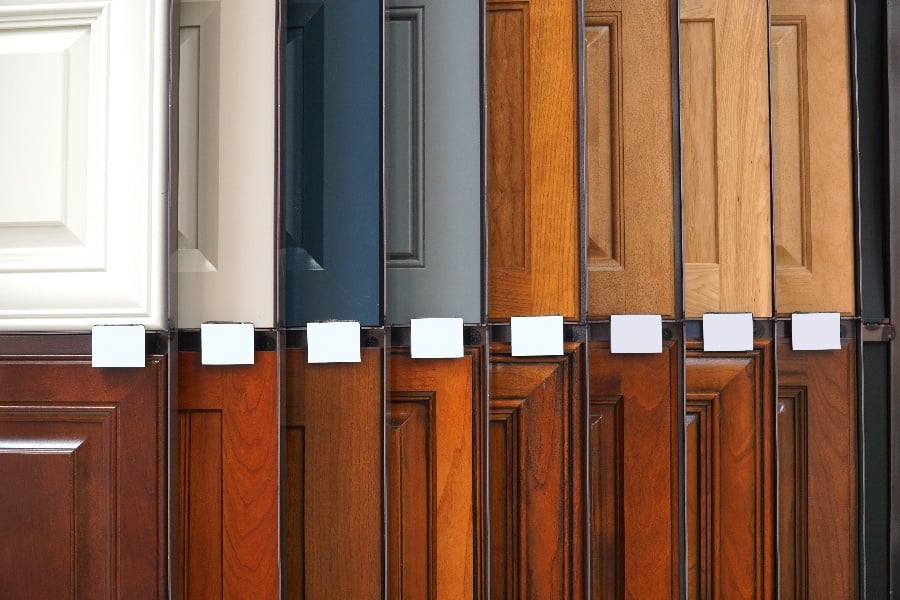
When planning custom kitchen cabinets, knowing the right panels to choose is key. Best Panels for Custom Kitchen Cabinets come in several types, each serving a specific purpose:
- End panels: These cap the sides of cabinets, giving a finished look where the cabinet meets a wall or an open space.
- Door panels: The visible front pieces you open—these include flat slab, raised, recessed, or glass-insert styles.
- Gables: Vertical panels that connect cabinets to walls or to create a seamless look between upper and lower units.
- Specialty panels: Includes appliance wraps, filler strips, and trim pieces that fill gaps or wrap around built-in appliances.
Panels are necessary when cabinet layouts expose unfinished sides or gaps. For example, an island with open ends always needs end panels for a polished appearance. In other cases, panels can be optional decorative touches that enhance style or protect edges.
Choosing custom versus stock panels depends largely on size and matching needs. Stock panels fit standard cabinet sizes but may not line up perfectly with custom measurements or unique layouts. Custom panels offer exact sizing and material matches, ensuring seamless style and fit throughout your kitchen.
By understanding these panel basics, you’ll be better prepared to select the perfect components that combine function and beauty in your custom kitchen.
2.Top Panel Types for Custom Kitchens
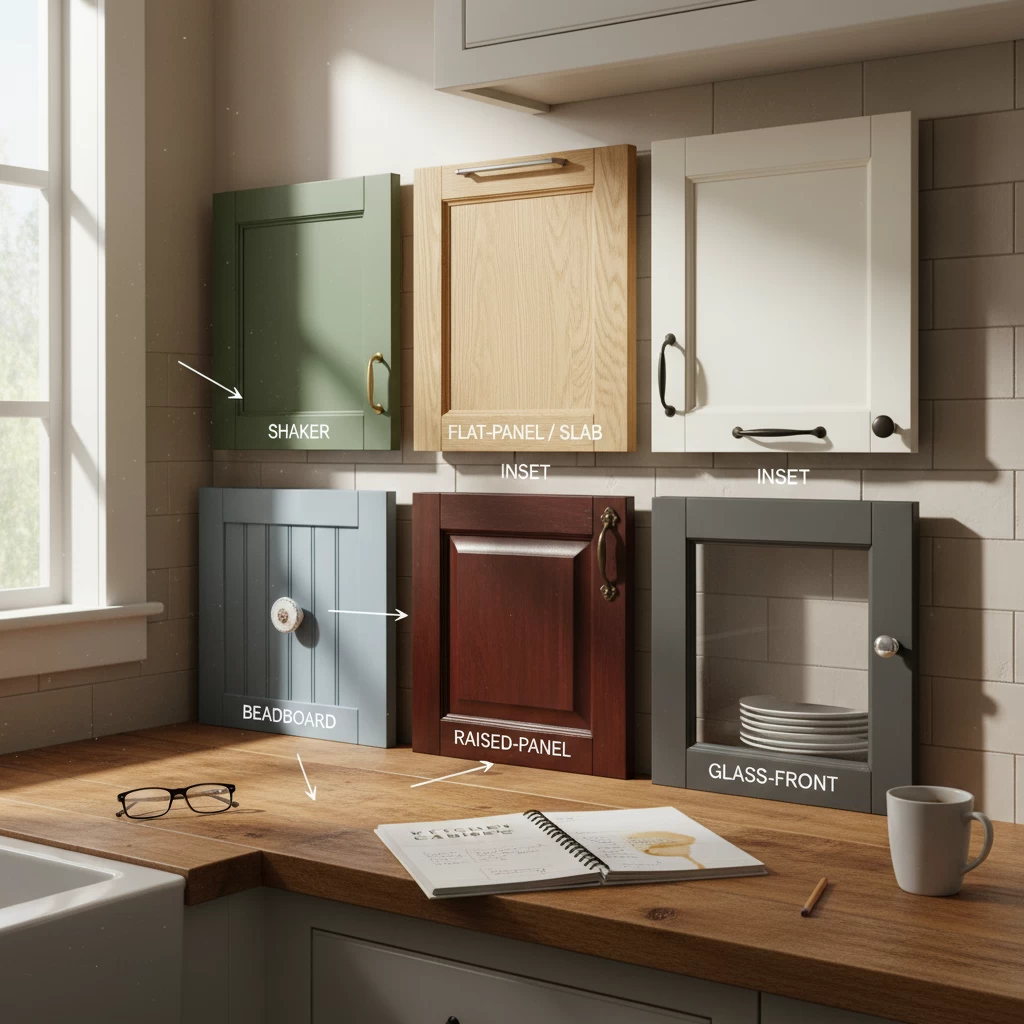
When choosing panels for custom kitchen cabinets, it helps to know the main types you’ll encounter.
End Panels Demystified
- Applied End Panels: These are thin panels attached to the side of cabinetry to cover exposed cabinet box edges. They’re simple and budget-friendly.
- Integrated Gables: Built as part of the cabinet frame itself, offering a seamless look. Great for a clean, modern finish.
- Furniture-Style End Panels: Thicker, decorative panels meant to mimic furniture pieces. They add a polished, upscale feel, often used on islands or open ends.
Door and Front Panels
- Flat/Slab Panels: Smooth and plain, perfect for contemporary kitchens or shaker cabinet doors. Easy to clean and maintain.
- Raised or Recessed Panels: Classic choices with depth and detail, often found in traditional or farmhouse-style kitchens.
- Glass-Insert Panels: Door fronts with glass panes, offering display options and light flow. Popular in upscale or custom kitchens.
Specialty Panels
- Appliance Wrap Panels: Designed to cover dishwasher or refrigerator sides, these panels match cabinetry for a built-in look.
- Filler Panels: Narrow strips filling gaps between cabinets or walls, crucial for a clean finish, especially in tight or uneven spaces.
- Trim Panels: Decorative moldings that frame cabinet edges, often used to finish corners or transition between panel types.
Panel Types at a Glance
| Panel Type | Common Use | Thickness (inches) | Compatibility |
|---|---|---|---|
| Applied End Panels | Cover cabinet sides | 1/4 – 3/8 | Fits most cabinet boxes |
| Integrated Gables | Seamless side panels | 3/4 or more | Frameless and framed cabinets |
| Furniture-Style Ends | Islands, exposed cabinet ends | 3/4 or more | Wood or MDF, often painted or stained |
| Flat/Slab Door Panels | Modern door fronts | 3/4 | Wood, MDF, plywood |
| Raised/Recessed Panels | Traditional cabinet doors | 3/4 | Solid wood or engineered panels |
| Glass-Insert Panels | Display doors | Varies | Usually frame-mounted glass inserts |
| Appliance Wrap Panels | Conceal appliances | 3/4 | Matches door fronts or end panels |
| Filler Panels | Gap fillers | 1/4 – 1/2 | Wood, MDF, laminate |
| Trim Panels | Decorative edging | Varies | Wood or MDF |
Knowing these panel options ensures the parts you choose fit your kitchen’s style and function while matching door profiles and cabinet construction. For more on cabinet materials and finishes, consider checking out our guide on Custom Cabinet Materials.
3.Material Options for Kitchen Cabinet Panels
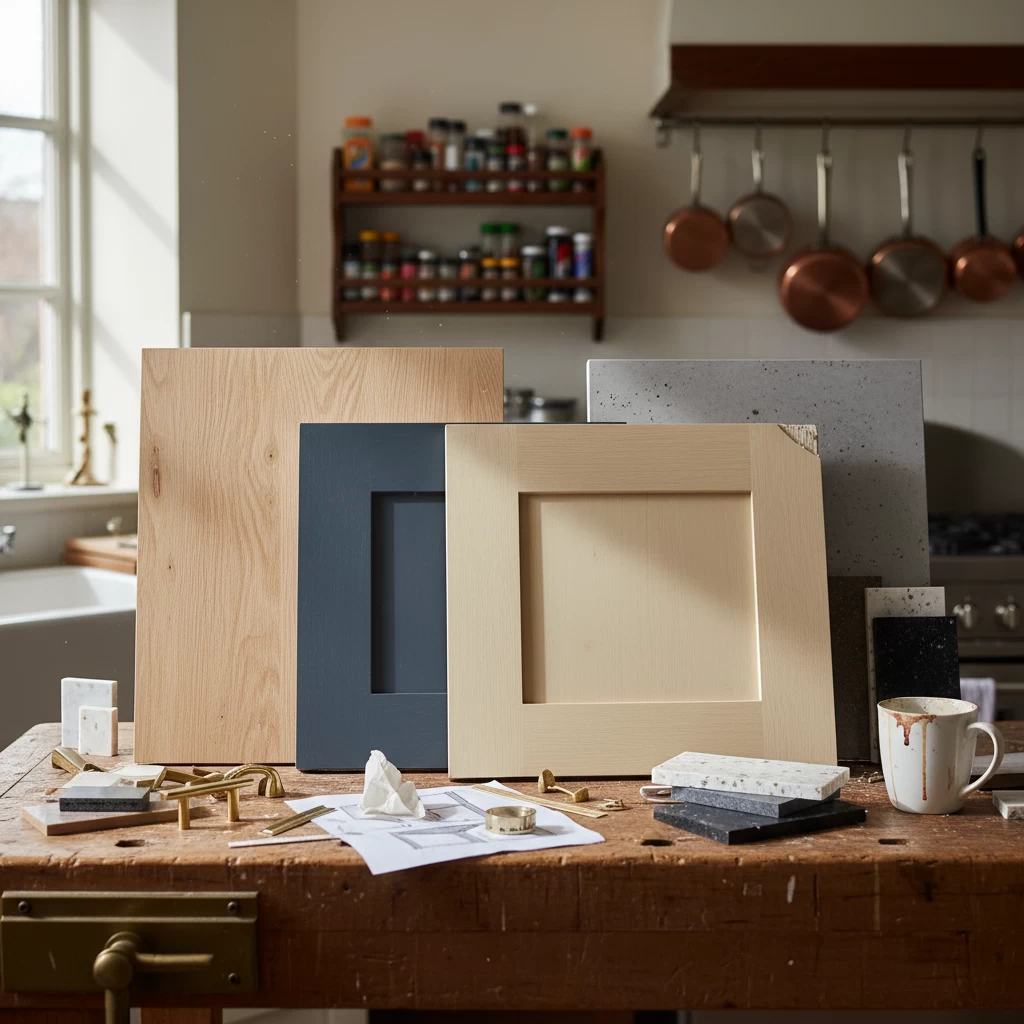
Choosing the right material for your custom kitchen cabinet panels affects durability, look, and cost. Here’s a quick rundown:
Wood Species Spotlight
- Hardwoods:
- Maple: Smooth grain, strong, takes stain well.
- Cherry: Rich color, ages beautifully, a bit pricey.
- Oak: Durable, classic look with visible grain.
- Softwoods:
- Pine: Affordable, easy to work with, but dents easily.
Engineered Choices
- Plywood: Strong and stable, good for framed cabinets.
- MDF (Medium Density Fiberboard): Smooth surface, great for painted panels, resists warping.
- Laminates: Durable, easy to clean, available in many colors and patterns.
- Veneers: Thin wood layers over base materials, offers wood look with lower cost.
Finishes and Treatments
- Stains vs. Paints:
- Stains highlight natural wood grain.
- Paint covers imperfections, offers versatile colors.
- Edge Banding: Seals exposed edges for moisture resistance.
- Sealing: Protects panels from humidity and kitchen wear.
Decision Checklist
| Factor | Consideration |
|---|---|
| Lifestyle | Kids/pets? Go for durable, easy-clean surfaces like laminates or sealed woods. |
| Moisture Exposure | Choose plywood or MDF with sealing. Avoid softwoods if your kitchen is humid. |
| Aesthetic Preference | Want natural wood look? Pick hardwood or veneer. For consistent color, use MDF with paint. |
| Budget | Softwoods and MDF are budget-friendly. Hardwood and high-end veneers cost more. |
| Maintenance | Laminates and sealed panels require less upkeep than raw wood. |
Picking the right material can save you hassle and keep your kitchen looking great for years, especially considering Pennsylvania’s seasons and humidity.
4.Key Factors to Consider When Choosing Panels
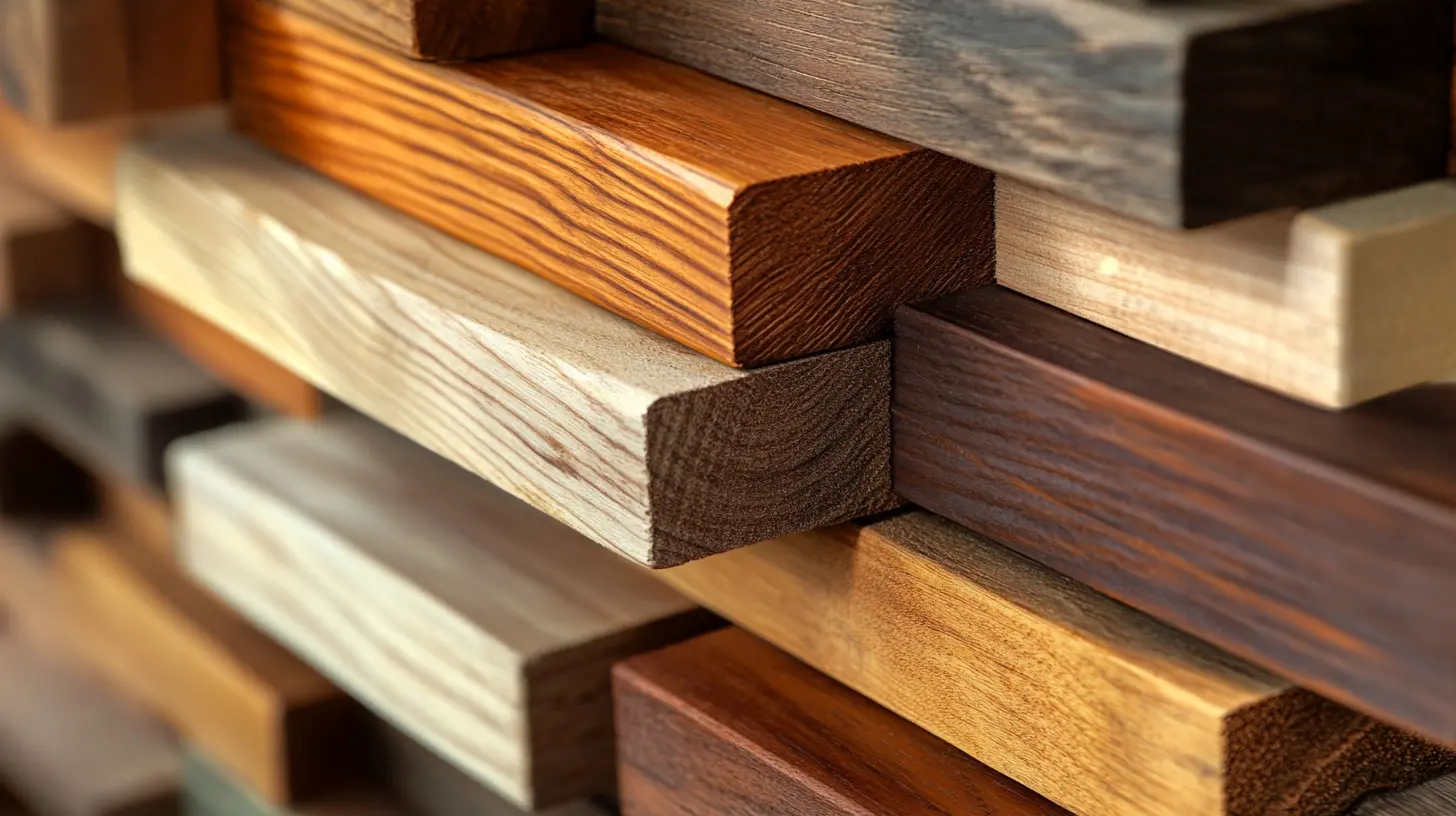
When picking panels for your custom kitchen cabinets, several things matter to get the look and function just right for your home in Pennsylvania.
Style and Color Match
Make sure the panels match your door styles—whether you’re going for Shaker cabinet doors, raised panel kitchen styles, or something sleek and modern like frameless cabinet panels. Colors and finishes should blend smoothly for a uniform look. Think about cabinet gable finishes and kitchen filler strips too, so everything flows.
Durability and Maintenance
Look for materials that handle daily wear. Panels with good impact resistance, moisture protection, and fade-proof finishes will last longer, especially with PA’s humid summers and cold winters. Durable cabinet veneers or engineered options like plywood can be smarter choices than solid wood if you want less upkeep.
Budget and Value
Panels come in a range—from affordable MDF or laminates up to premium hardwoods like cherry or oak. Balance your budget with what fits your lifestyle. Entry-level panels save money but might not hold up as well long-term, while premium materials offer better ROI because they last and look great.
Installation Considerations
Are you planning a DIY job or calling in pros? Some panels, like appliance end panels or furniture-style variants, can be trickier to install and may need special tools. Keep that in mind when choosing panels—simple applied end panels might be easier if you want a smoother install.
Sustainability and Eco-Friendliness
If green building matters to you, pick panels with low-VOC finishes or reclaimed woods. These options reduce environmental impact and improve indoor air quality—both big pluses for PA homeowners mindful of health and sustainability.
Local Climate Fit
PA’s climate swings can affect cabinet materials. Panels resistant to moisture and temperature changes stand up better in our area. Engineered products like plywood or well-sealed MDF handle seasonal shifts without warping like some solid woods might.
In short, choose panels that look good with your cabinet doors, hold up to daily use, fit your budget, and can handle PA’s weather. This approach helps you get custom kitchen cabinets that work and last.
5.PA Home’s Recommendations for Kitchen Cabinet Panels
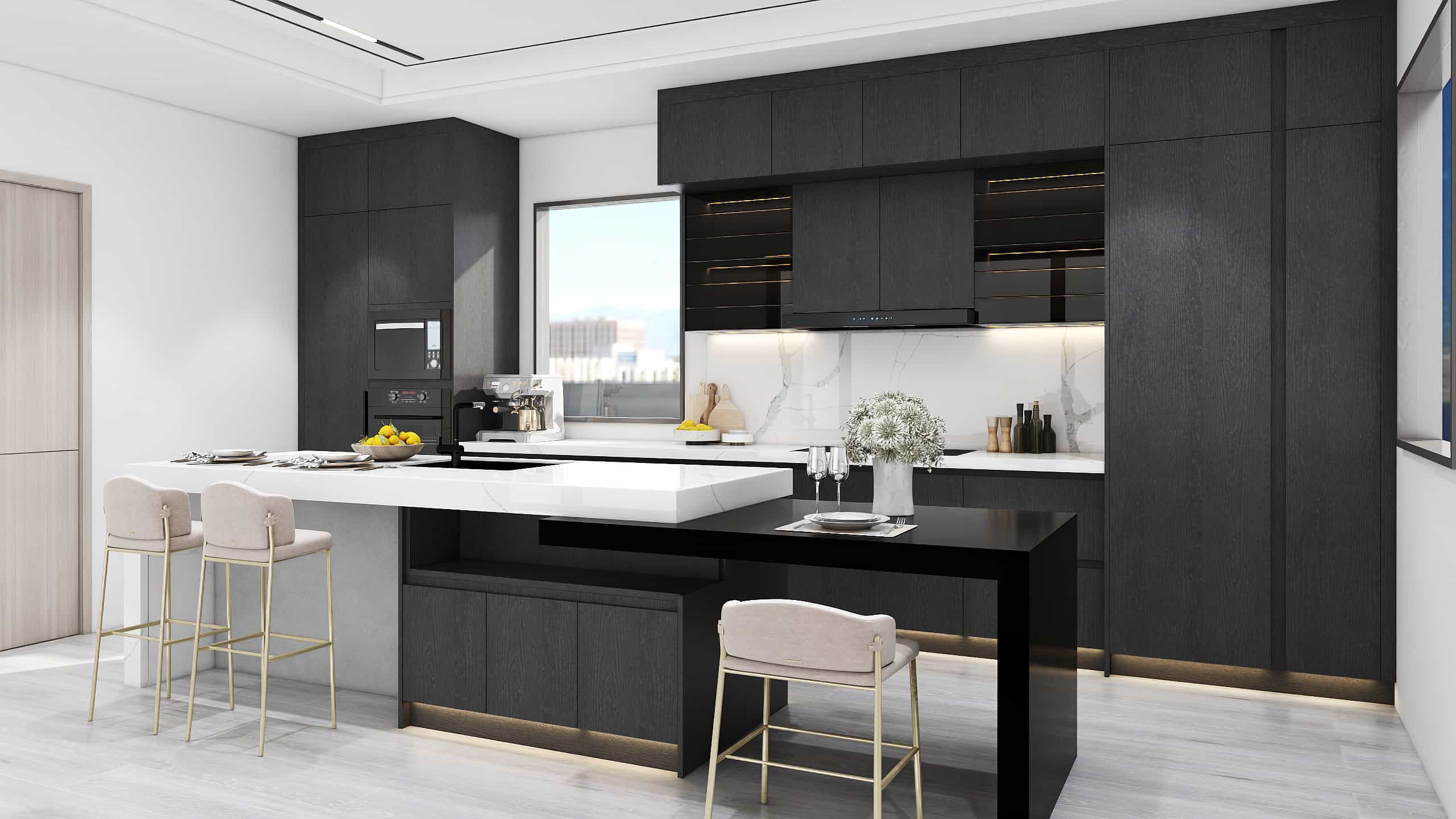
When it comes to custom kitchen cabinets in Indonesia homes, we’ve found some go-to panel combinations that work great with popular styles:
- Shaker-style kitchens: Pair flat slab door panels with maple or oak end panels for a clean look that holds up well here in PA’s changing seasons.
- Raised panel kitchens: Cherry or maple raised panels combined with furniture-style end panels add warmth and classic charm, perfect for traditional homes.
- Modern kitchens: Use sleek, flat MDF or plywood panels with laminate finishes for durability and easy maintenance in high-traffic kitchens.
Case Studies: Real Indonesia Kitchens
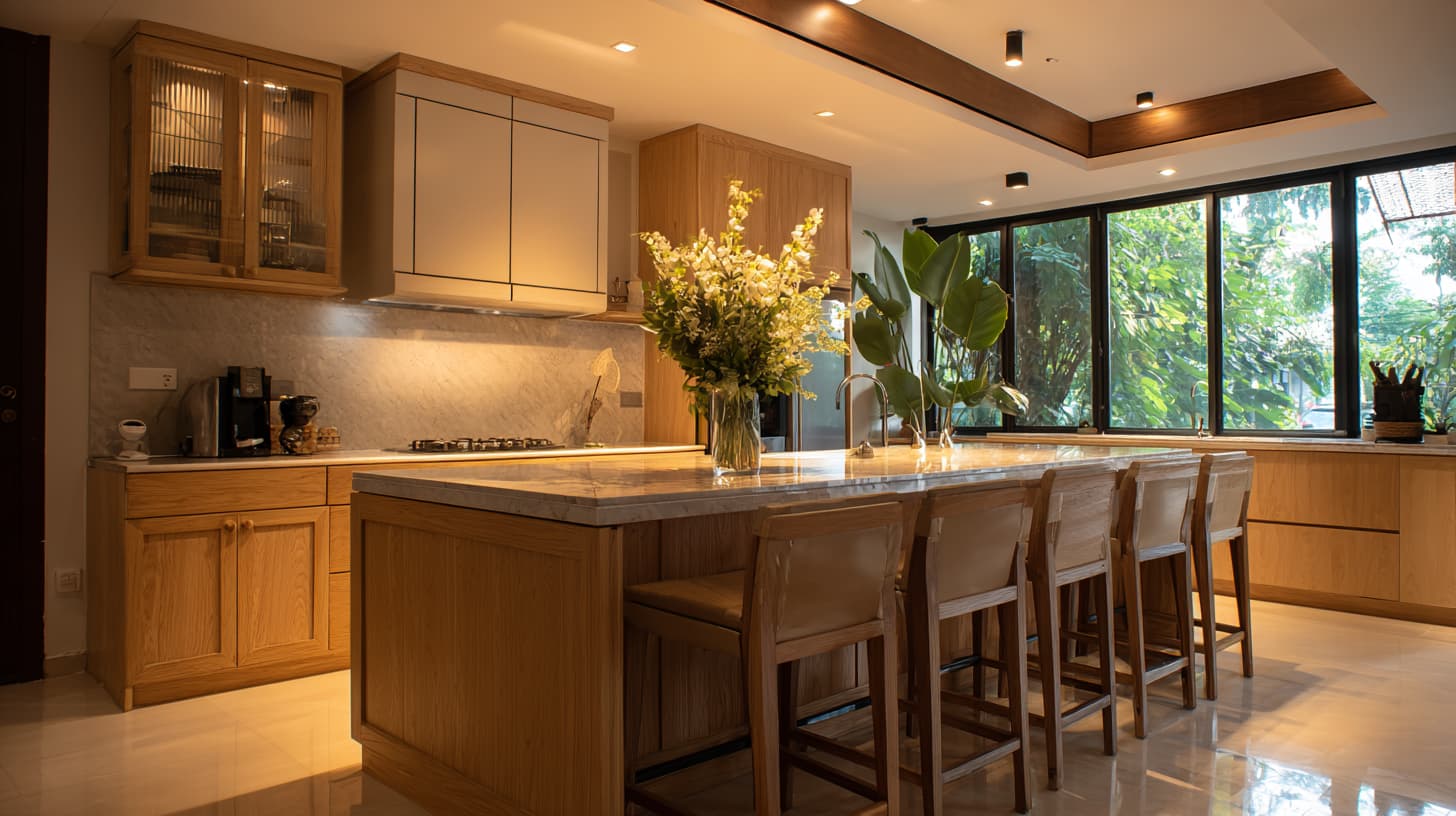
One of our recent projects in Jakarta used unfinished oak end panels with painted MDF doors. The homeowner loved how the panels seamlessly matched their custom shaker cabinet fronts and held up beautifully through our humid summers.

Another client in Surabaya chose modern-style applied end panels paired with cherry flat-panel doors, giving their kitchen a sleek and stylish atmosphere while accommodating custom appliance panels for a built-in look.
Customization Perks from PA Home
We take pride in offering these extras to our local customers:
- In-house milling: This lets us size panels exactly to your kitchen layout, ensuring a perfect fit—especially important for older PA homes with uneven walls.
- Unfinished panel options: These are great if you want to pick your own stain or paint later, providing flexibility if your style changes.
- Bundle pricing: When you order all your panels and doors together, you save more. It’s a smart way to budget for a full custom kitchen update without breaking the bank.
If you’re tackling kitchen remodeling in Indonesia, picking the right panel types and materials with local climate and style in mind makes all the difference. We’re here to help you get it right the first time.
6.Step-by-Step Guide to Selecting and Installing Panels

Choosing and installing kitchen end panels or custom cabinet materials can feel tricky, but breaking it down helps. Here’s how I approach it:
Measure Exposed Areas Accurately
- Use a tape measure to get precise dimensions of where panels will go, including height, width, and depth.
- Don’t forget spaces around appliances or unusual corners.
- Double-check measurements before ordering anything.
Source Samples From Showroom or Online
- Get panel samples in wood species or finishes you like—maple, oak, or plywood, for example.
- Seeing and feeling samples helps match door panels, gables, and filler strips to your kitchen’s style.
- Ordering samples online is convenient, but visiting a local showroom can reveal textures and colors better.
Test Compatibility and Seasonal Adjustments
- Make sure panels fit with door profiles like shaker cabinet doors or raised panel styles.
- Check how hinges work with panels—seasonal changes might make wood expand or contract.
- Adjustable hinges are a big help for keeping doors aligned year-round.
Installation Basics: Screwing, Sealing, Trimming
- Use screws designed for cabinetry to attach panels securely without damage.
- Seal edges with appropriate edge banding or sealants to protect from moisture—important for PA’s variable climate.
- Trim panels neatly to align with countertops, floors, and appliances for a clean look.
Troubleshooting Common Issues
- Uneven walls? Use shims behind panels to make surfaces flush.
- Appliance mismatches? Appliance end panels or wraps can cover gaps and create a consistent look.
- If gaps appear after installation, check the hinges and adjust as needed.
Safety Tips and Final Adjustments
- Wear gloves and eye protection during installation.
- Use adjustable hinges to fine-tune door alignment post-install.
- Take your time during each step to avoid costly mistakes or rework.
Following these steps helps ensure your custom kitchen panels not only fit well but last long and look great, especially for homeowners in Pennsylvania dealing with changing weather conditions.