Choosing the right aluminium window is one of the smartest decisions you can make for your home. A window is more than just a frame and glass. It affects comfort, noise, safety, and even your electricity bill. This is especially true in countries like Indonesia, where humidity, heavy rain, and coastal winds create unique challenges.
Table of Contents
ToggleWhen comparing different window types, there are five core performance indicators you should look at:
Wind resistance
Water tightness
Thermal insulation
Sound insulation
Air tightness
Each aluminium window performs differently in these areas because its structure and opening mechanism are different. Once you understand that, choosing the right window becomes way easier. Let’s break down the common window types and see how each performs in real life.
1. Aluminium Casement Window
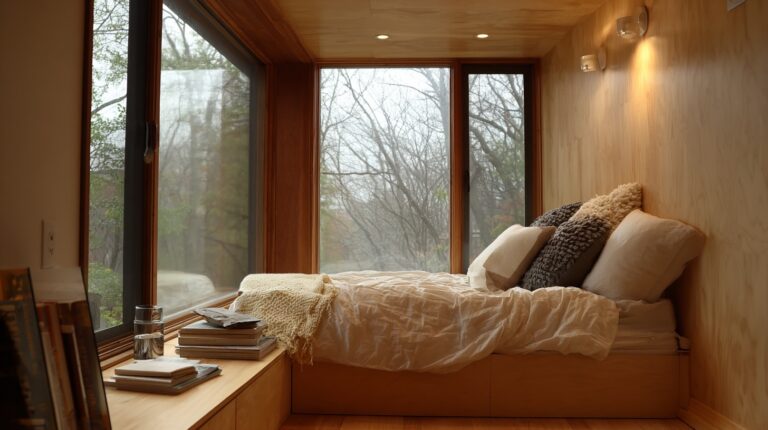
Aluminium casement windows are one of the most popular aluminium window choices worldwide. Their structure is simple: a side-hinged sash that swings outward or inward using multi-point locking systems. This design creates strong compression between the sash and frame, which leads to excellent air tightness.
This tight seal gives aluminium casement windows superior sound reduction and outstanding thermal efficiency. They also resist heavy wind loads, which is important in coastal cities like Jakarta or Surabaya. According to the American Architectural Manufacturers Association, casement windows generally rank highest in air infiltration in tests.
However, they need outdoor clearance when opened, and strong winds can put pressure on the sash. A simple wind restrictor solves this issue.
In terms of design, casement windows work well with modern and minimalist homes. They pair nicely with slim aluminium frames and large glass panels.
Best use cases: bedrooms, high-rise apartments, villas with high wind exposure.
2. Aluminium Sliding Windows

Aluminium sliding windows move horizontally along upper and lower tracks. The biggest benefit? They save space. You never need to worry about the window hitting furniture, curtains, or cabinets. This makes sliding aluminium windows a common pick for tight areas or compact Indonesian homes.
But because sliding windows rely on tracks instead of compression sealing, their air tightness is naturally weaker. This affects sound insulation and thermal performance. They can still perform well with upgraded seals and high-quality rollers, but they will not reach the same level as casement or tilt-and-turn windows.
That said, sliding windows offer wider, unobstructed views and are easier for everyday use. Their structure makes them stable in windy conditions since the sash does not stick out.
Best use cases: kitchens, balconies, corridors, rental apartments, small homes.
3. Awning Window

Awning windows open outward from the bottom, with a hinge at the top. This simple mechanism creates a natural shelter, allowing ventilation even during rain. For regions with long rainy seasons—such as many parts of Indonesia—this feature makes a big difference.
The structure offers moderate sealing because the sash pushes against the frame when closed. It performs better than sliding windows in water tightness and sound insulation but falls slightly behind casement windows. The opening angle is smaller, so airflow is milder. However, its weatherproof design often makes it the most practical option for bathrooms and kitchens.
From a design perspective, awning windows are great as part of a window combination. Many modern homes pair large fixed glazing with a small awning panel to achieve both ventilation and full-light views.
Best use cases: kitchens, bathrooms, rooms facing rainy or humid environments.
4. Tilt & Turn Window

Tilt-and-turn windows are considered the “European luxury” of aluminium window systems. Their structure allows two opening modes: tilt from the top for gentle airflow, or swing inward like a casement. This dual function gives them unmatched sealing and flexibility.
The structure uses double or triple gasket systems, multi-point hardware, and a deeper frame section. That’s why these windows offer some of the good performance in all five indicators—especially sound insulation and thermal efficiency. Studies on European window systems show tilt-and-turn windows achieving some of the lowest air leakage ratings among operable window types (Source: Passive House Institute).
The downside? Higher cost and more complex installation. You also need enough indoor space to open them fully.
But if long-term comfort matters more than upfront cost, this window type will outperform others.
Best use cases: master bedrooms, living rooms, high-end residences, urban areas with heavy traffic noise.
5. Fixed Window
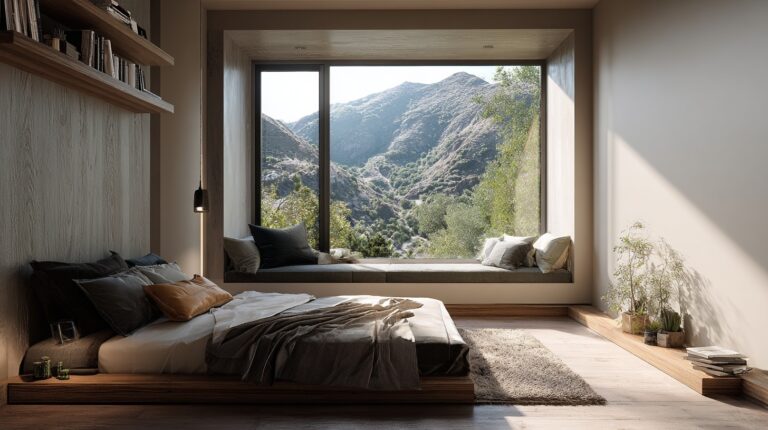
Fixed windows don’t open at all, giving them a structural advantage. Without moving parts, they naturally achieve exceptional sealing, noise reduction, and insulation. For panoramic living rooms, hotel suites, or villas overlooking a garden or ocean, a large fixed aluminium window can instantly elevate the space.
Thermal efficiency is superior thanks to reduced air leakage, and the wind resistance is strong, especially when paired with thick tempered or laminated glass. In Indonesia, fixed windows are commonly used in modern homes where the priority is brightness and a clear view.
Of course, the limitation is ventilation. Most homes pair fixed windows with casement or awning panels to achieve the ideal balance.
Best use cases: living rooms, staircases, façade designs, villas with scenic views.
6. Arch, Round, and Special-Shape Windows

Special-shape aluminium windows are often chosen for aesthetics rather than pure performance. Their structure is usually based on either fixed or casement configurations, so their performance depends on the underlying system.
Round or arch shapes introduce manufacturing complexity, which can slightly affect sealing due to curved sections. Still, when built correctly with high-quality aluminium profiles, they remain reliable and visually striking. In Indonesia’s growing villa and boutique hotel markets, these windows are becoming popular for creating unique architectural accents.
Best use cases: staircases, entryways, feature walls, luxury homes.
7. Floor-to-Ceiling Window

Floor-to-ceiling aluminium windows offer impressive visual impact. These large glass panels transform a room by maximizing light and creating a strong indoor-outdoor connection. Many luxury apartments and modern Indonesian homes use them to create a premium look.
Because the glass area is large, the structure must be strong enough to resist wind pressure. Laminated or tempered glass is typically required. Sealing around the edges must be done carefully to prevent water infiltration—an essential consideration in tropical climates.
Their performance in insulation and sound reduction depends heavily on the glass specification. Double-glazing can significantly improve energy efficiency.
Best use cases: living rooms, master bedrooms, ocean-view or garden-facing spaces.
8. Louver Window

Louver windows use adjustable blades, allowing air to flow even when the window appears closed. This structure creates unmatched ventilation. It’s perfect for rooms needing constant airflow, especially in humid climates.
However, the open-blade structure limits sealing performance, meaning louvers are not ideal for bedrooms or sound-sensitive rooms. They perform poorly in noise reduction and water tightness compared to other aluminium windows. Still, their practicality makes them a common choice for service areas in Indonesia.
Best use cases: bathrooms, laundry rooms, storage spaces, utility areas.
How to Choose the Right Aluminium Window
You don’t need to be a window expert. Just match the performance priorities to your space:
For bedrooms: sound insulation + sealing → casement, tilt-and-turn
For kitchens: convenience + airflow → sliding, awning
For living rooms: light + view → fixed + operable combo
For coastal homes: wind resistance → casement, fixed
For rainy areas: water tightness → awning, tilt-and-turn
When choosing, focus on the five key indicators. A good aluminium window should resist storms, block rain, keep heat out, reduce noise, and seal tightly.
Conclusion
Every aluminium window type has its own strengths. The right choice depends on how the structure performs in wind resistance, water tightness, thermal insulation, sound control, and sealing. By understanding each window’s structure and performance, you can build a home that feels comfortable, quiet, energy-efficient, and safe—especially in climates like Indonesia.
FAqs About Aluminium Windows
What is the key performance indicators for aluminium windows and how do you read them?
The five key performance indicators are Water Tightness, Air Tightness, Sound Insulation, Thermal Insulation, and Wind Pressure Resistance.
Water Tightness (Pa)
This shows how much wind-driven rain pressure the window can handle before leaking. A higher Pa value means better protection during heavy rain.
Air Tightness (m³/(h·m²))
This measures how much air passes through the window per hour for each square meter. The lower the number, the better the sealing and energy efficiency.
Sound Insulation (dB)
This indicates how much noise the window can block. More decibels mean stronger noise reduction, which is ideal for busy streets.
Thermal Insulation (W/(m²·K))
This measures heat transfer through the window. A lower value means better insulation and improved energy savings.
Wind Pressure Resistance (Pa)
This shows how much wind load the aluminium window can withstand. Higher Pa values mean stronger performance in high-rise or coastal areas.
Are aluminium windows better than uPVC windows?
Aluminium windows offer superior strength, slimmer frames, and better durability than uPVC. They are ideal for large openings and modern designs. uPVC performs well for insulation but cannot match aluminium for structural stability and long-term lifespan.
Which aluminium window type is best for ventilation?
Awning windows and casement windows offer excellent airflow. Tilt-and-turn windows are also great for controlled ventilation. Sliding windows provide moderate airflow but are great for space-saving.