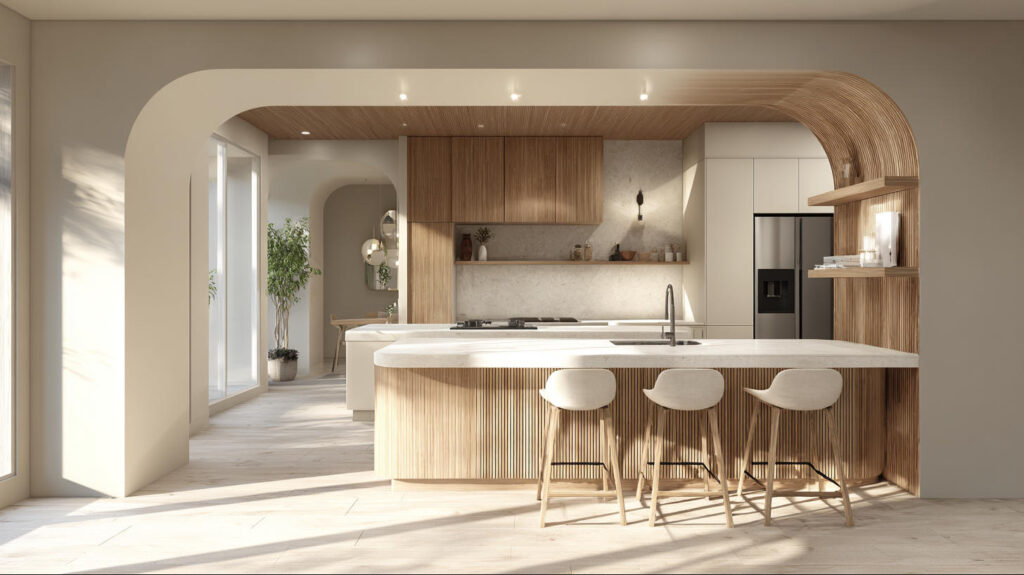
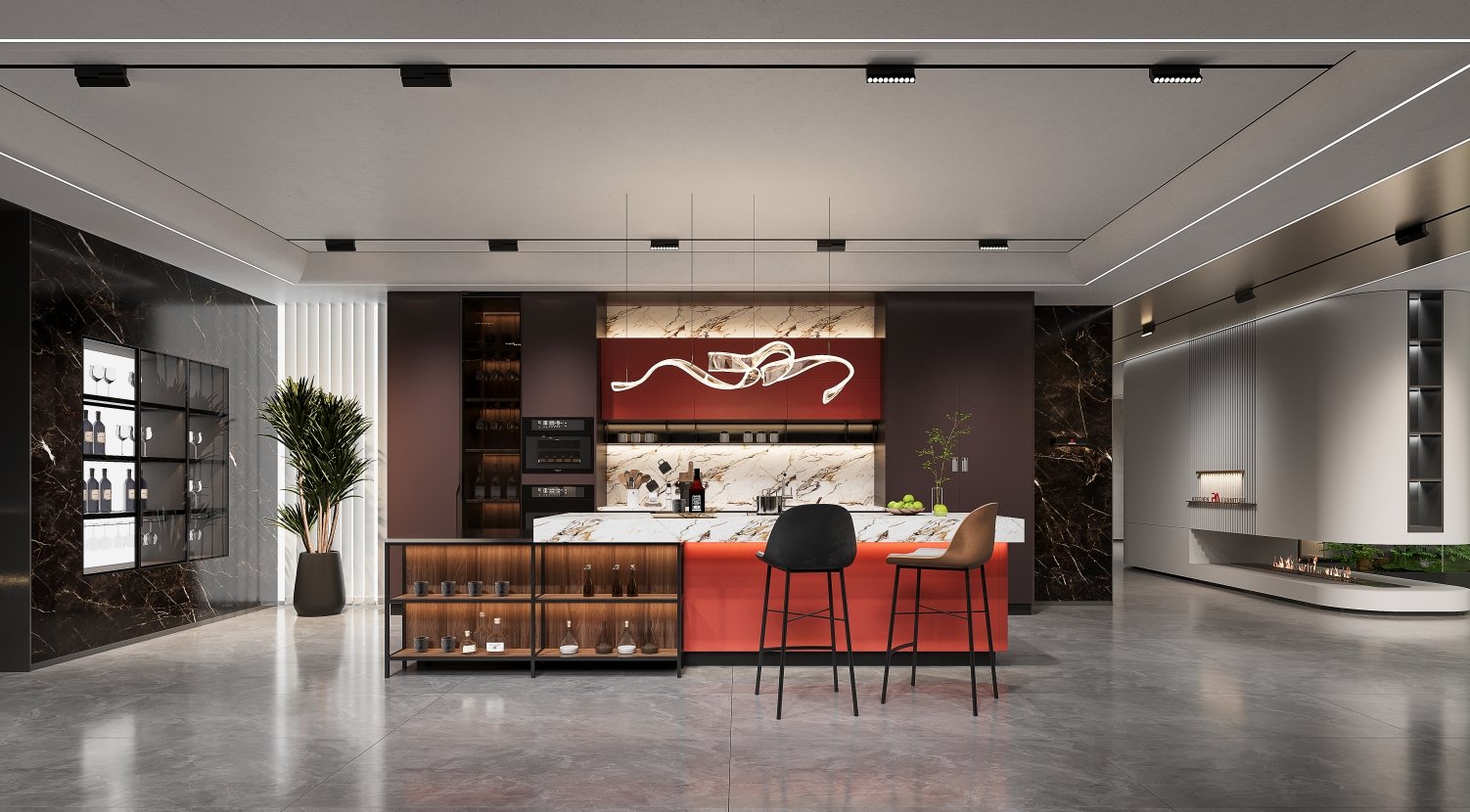
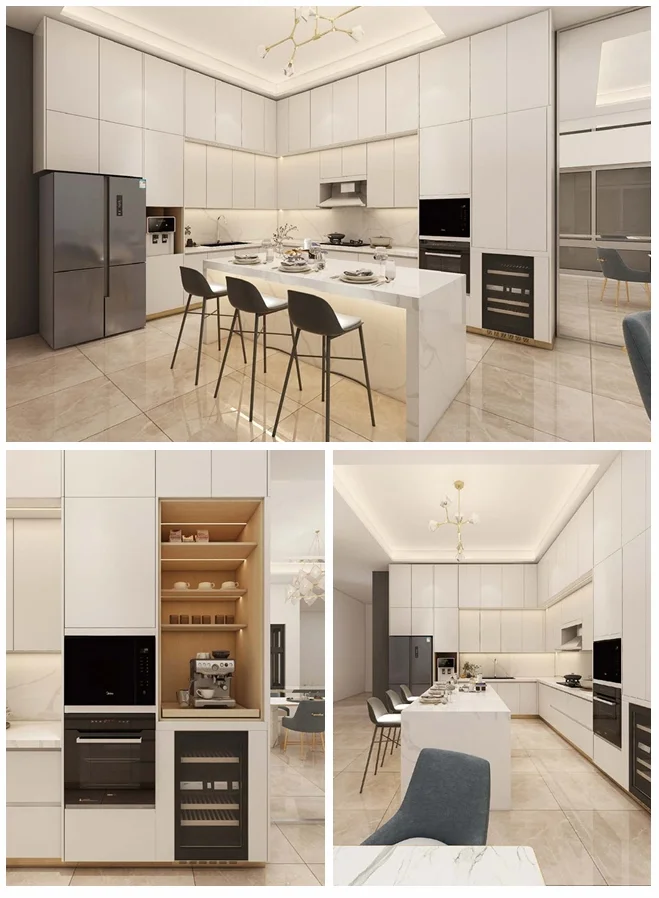
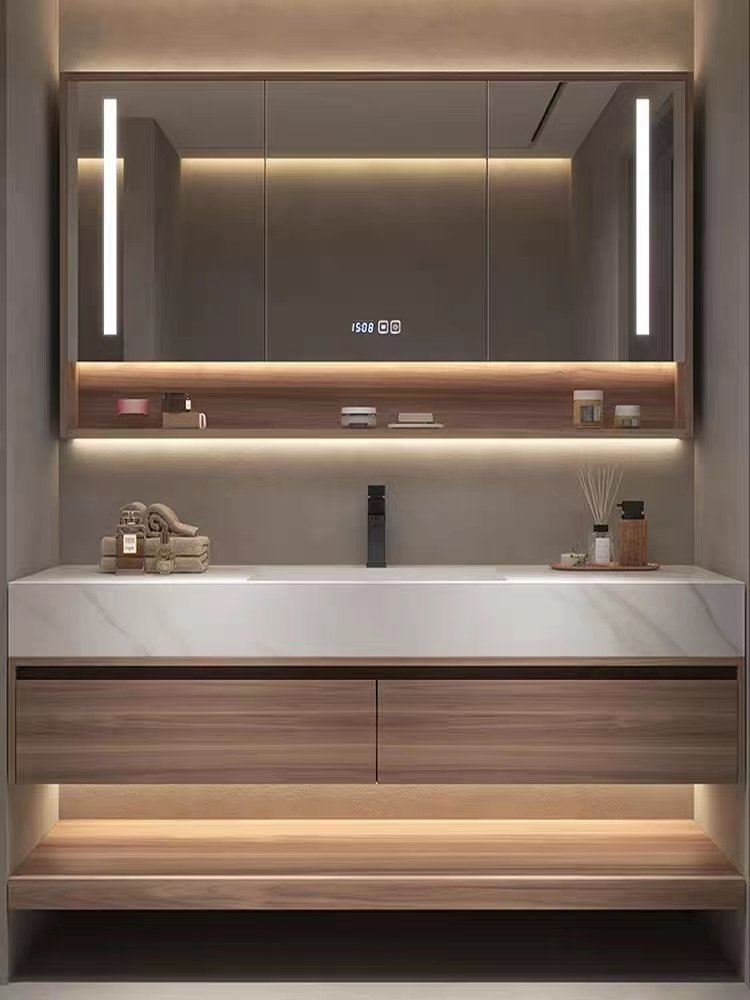
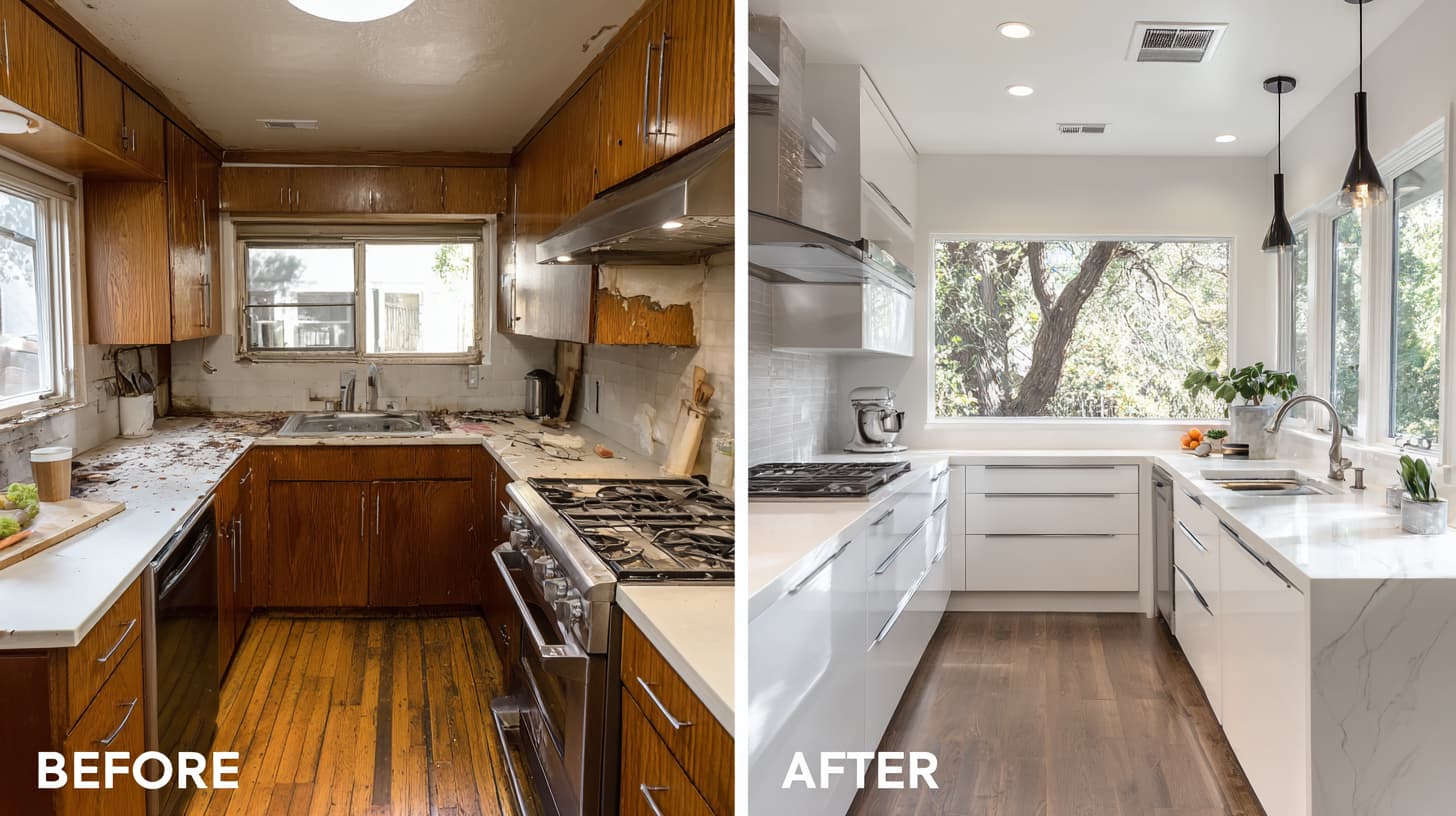
Living spaces in Indonesia are getting smaller and more complex, yet most ready-made furniture still fails to fit real layouts, daily habits, and storage needs. The solution lies in custom furniture in Indonesia, where built-in systems, space-saving designs, and tailored materials help homeowners turn every square meter into something functional and intentional.
As urban living continues to grow, more homeowners are choosing bespoke furniture to solve common frustrations—awkward corners, cluttered rooms, and mismatched styles. Instead of forcing standard furniture into unique spaces, custom solutions adapt to the way people actually live, cook, rest, and work at home. From compact apartments to family houses, today’s custom furniture trends focus on smart storage, durable finishes, and warm, timeless design that works well in Indonesia’s climate. In this guide, we’ll explore the top custom furniture trends Indonesia shaping Indonesian homes and help you choose the right design ideas based on your space, lifestyle, and priorities.
Trend 1: Custom Furniture Trends Indonesia in Built-In Systems
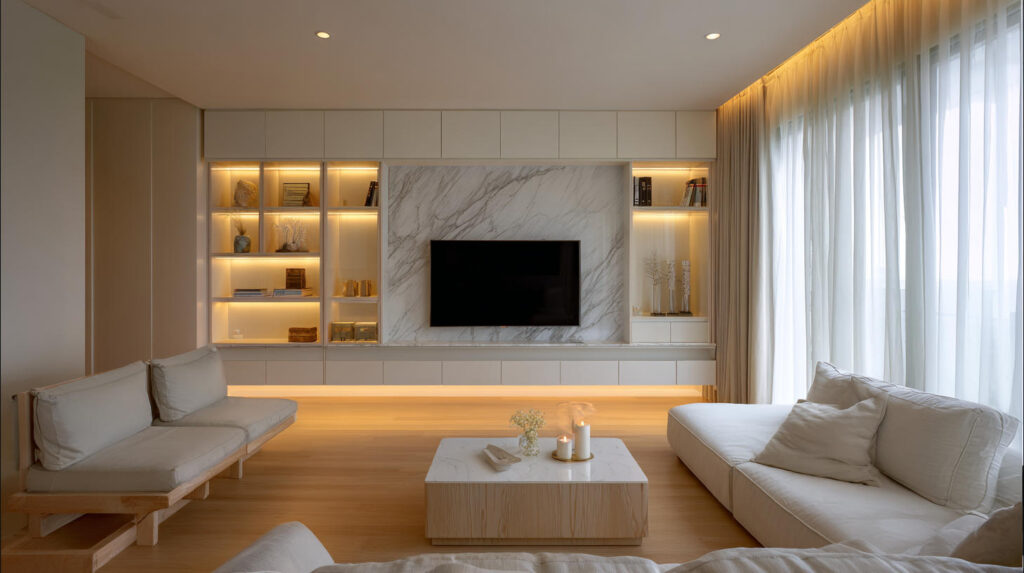
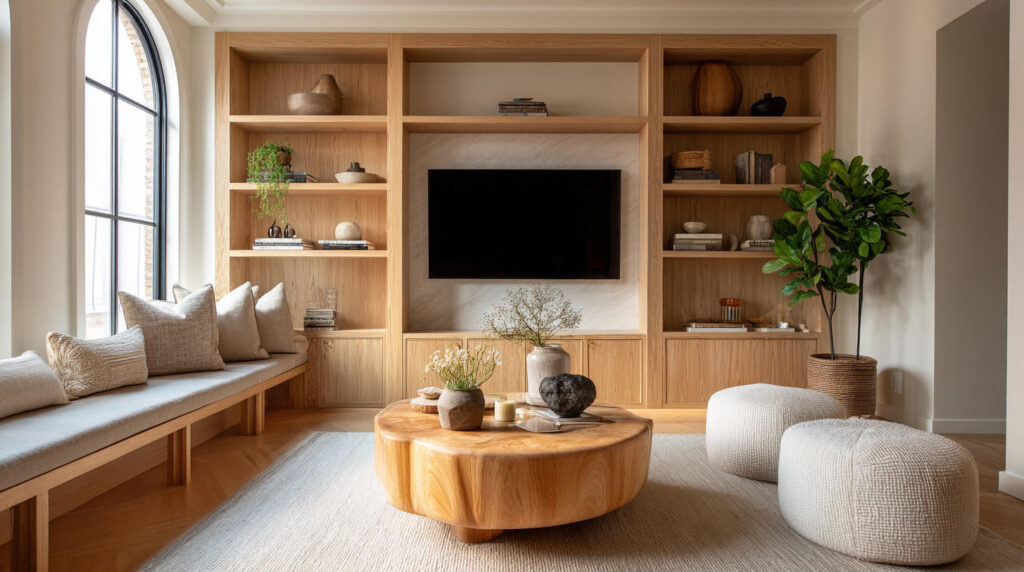
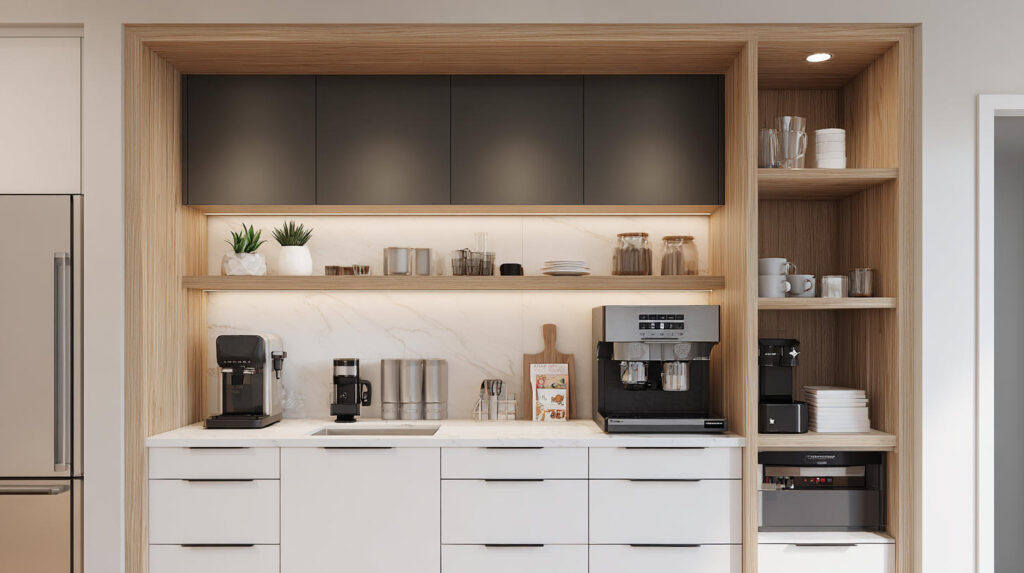
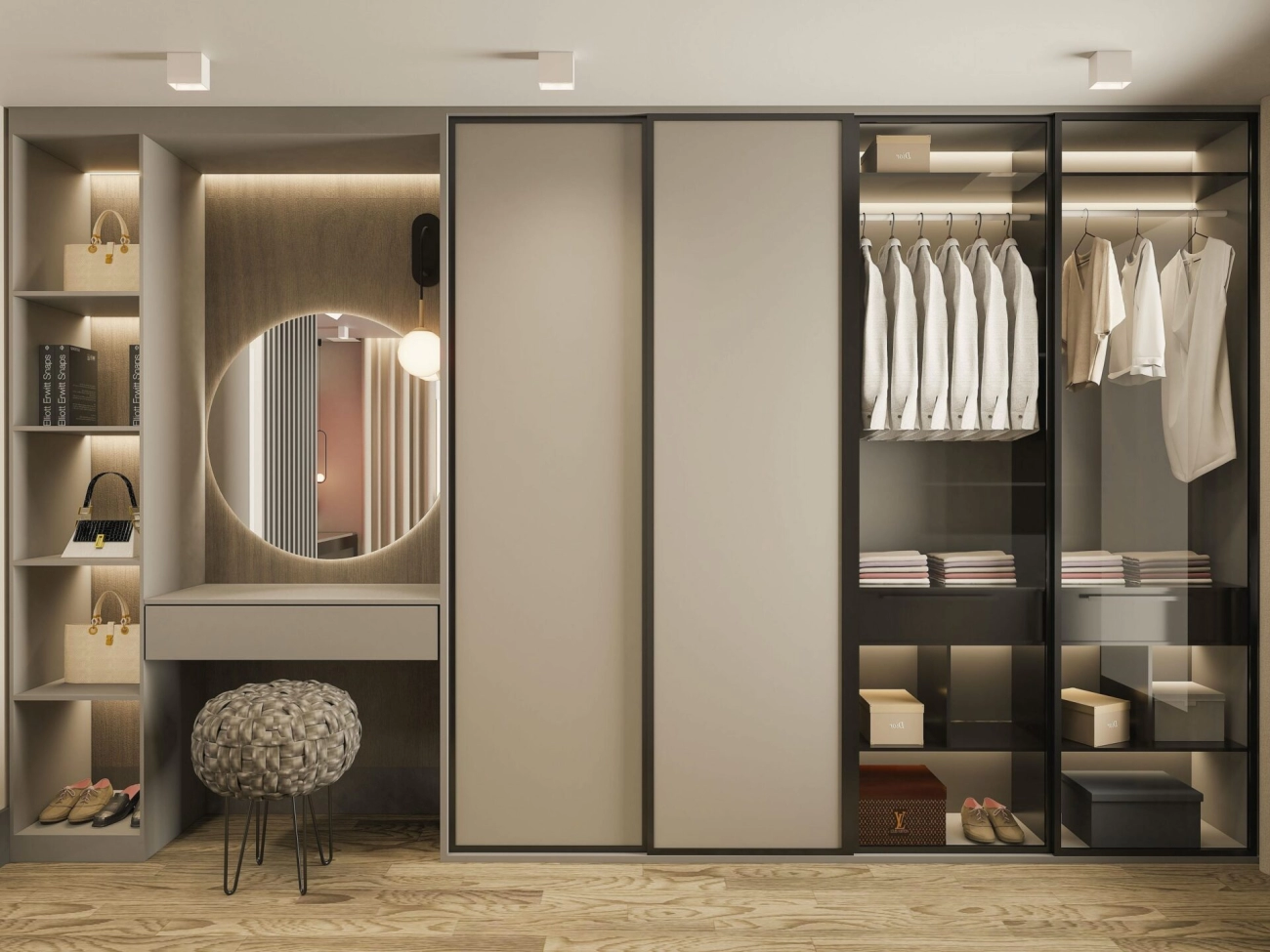
Built-in furniture is everywhere right now. And I get it. A room with a built-in wall system feels finished, even before you decorate. This trend aligns perfectly with the growing demand for custom furniture trends Indonesia, where homeowners increasingly value space efficiency, personalization, and designs that merge functionality with local craftsmanship.
Why it’s trending in Indonesia:People want cleaner visuals and less clutter. Built-ins help you “hide the noise.”
Best for: apartments, compact homes, and anyone who hates messy corners.
Trend 2: Hidden Storage as Part of Custom Furniture Trends Indonesia
If your home feels small, you don’t always need more cabinets. You need smarter storage. This is exactly what the current custom furniture trends Indonesia emphasize: creating tailored storage solutions that maximize every inch of space, blending function and beauty seamlessly in compact environments.
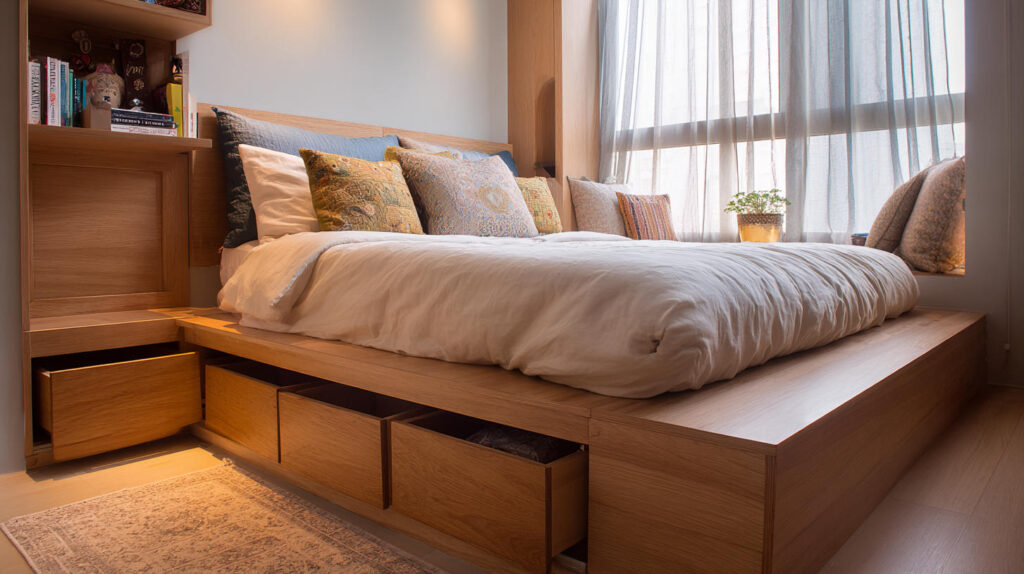
2-1. Platform Storage with Built-In Drawers
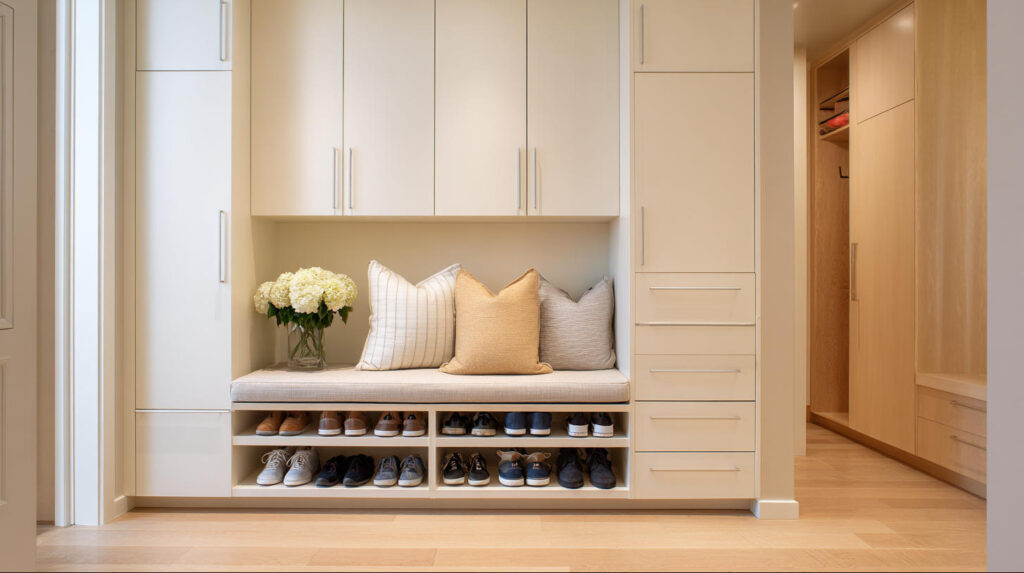
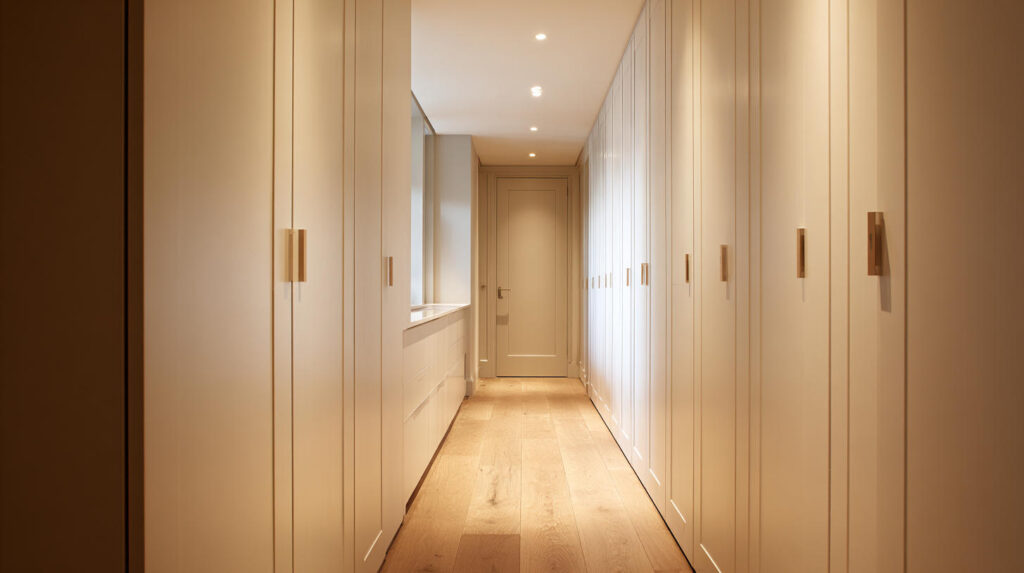
2-2. Slim Corridor Cabinets Using Dead Space
The trend now is hidden, layered storage:
Platform edges with drawers
Slim corridor cabinets
Corner systems that use dead zones
Think of it like packing a suitcase. You don’t add another suitcase. You use compartments.
Avoid this mistake: super-deep cabinets that become “black holes.” If you can’t reach it easily, you won’t use it.
Best for: small bedrooms, rental apartments, and young families.
Trend 3: Lightweight Visuals in Modern Custom Furniture Trends Indonesia
In many Indonesian homes, airflow and comfort matter a lot. Heavy furniture can feel suffocating. That’s why current custom furniture trends Indonesia are shifting toward lighter designs, locally adapted materials, and open structures—offering functional solutions that maintain airiness and enhance living comfort.
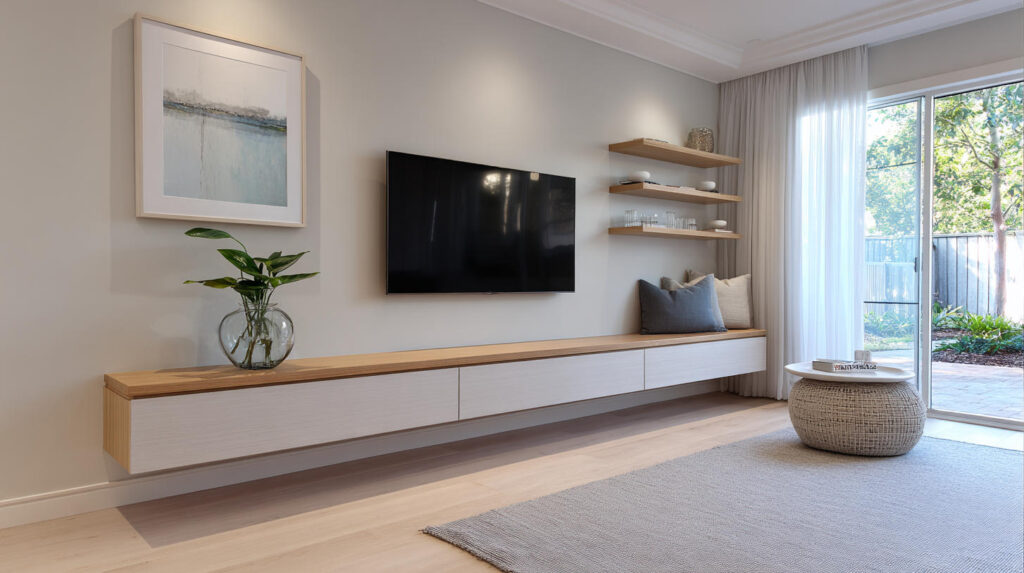
3-1. Floating TV Console with Wall-Mounted Storage
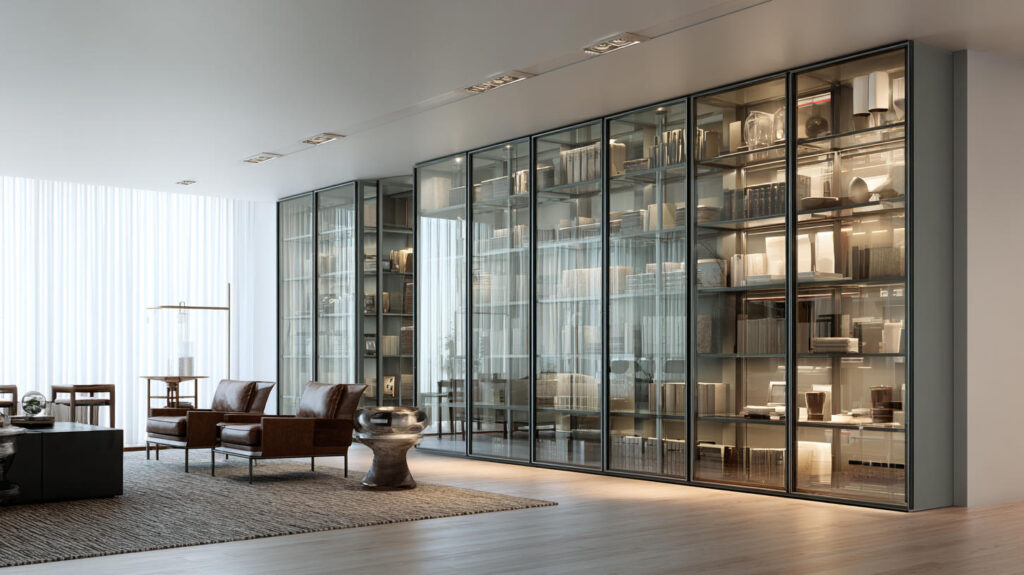
3-2. Glass-Front Cabinets for Visual Air
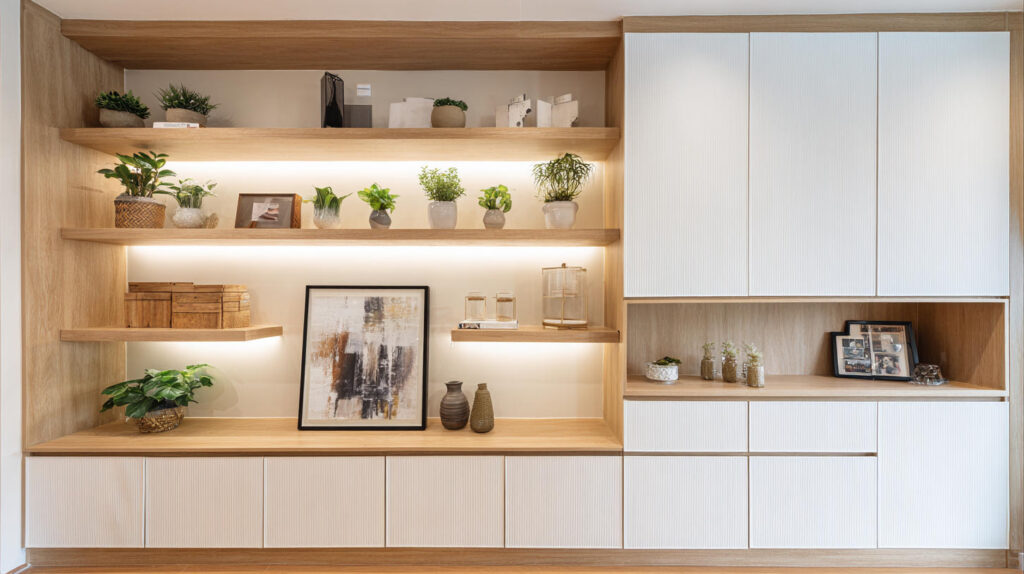
3-3. Mixed Open and Closed Storage System
So designers are going lighter:
Floating TV consoles
Slim metal frames
Glass-front cabinets for “visual air”
Open + closed mixed storage
This is minimalism, but friendlier. Not cold. Not empty.
Pro move: keep the base area clear. A floating cabinet makes cleaning easier too.
Best for: modern interiors, Japandi looks, and compact rooms.
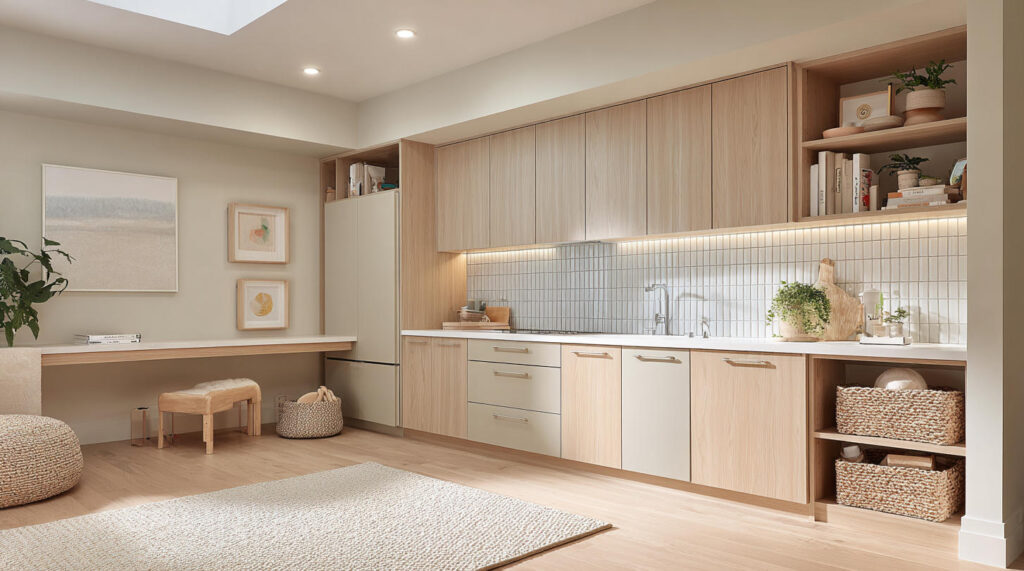
This one is huge in Indonesia right now. The vibe is calm, soft, and natural. It’s a key expression of custom furniture trends Indonesia, where designs prioritize soothing palettes, organic textures, and crafted simplicity to create spaces that feel both tranquil and deeply personal.
4-1. Japandi-Inspired Living Room Built-Ins
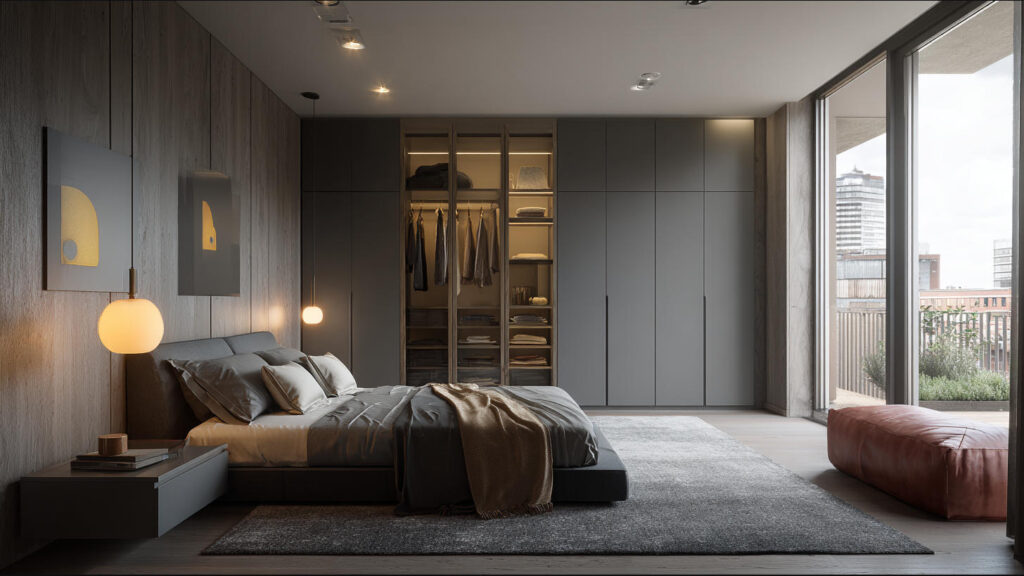
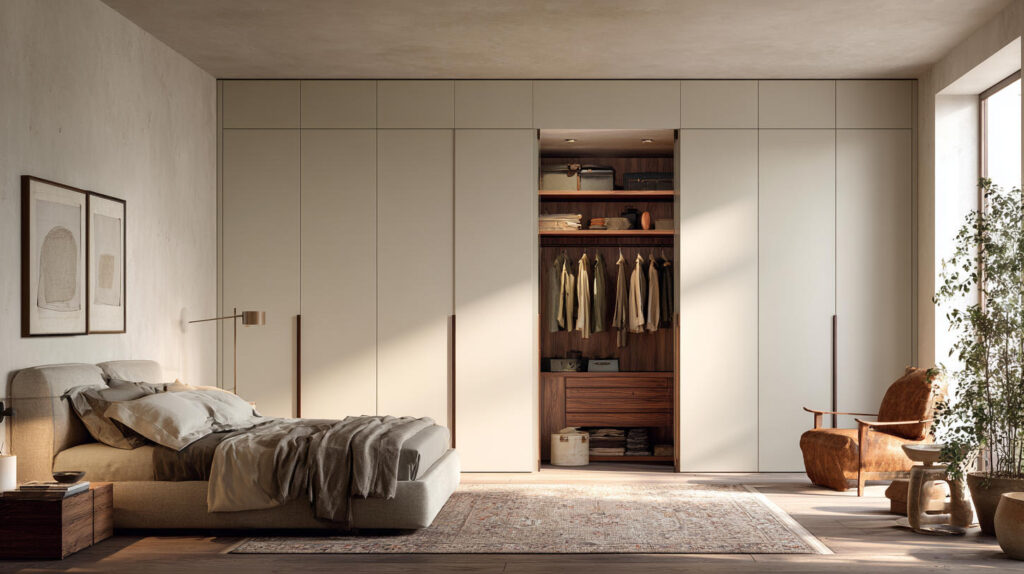
4-2. Warm Minimalist Bedroom Storage System
Common combinations:
light wood + warm white
matte taupe + wood grain
micro-cement look + warm timber accents
Also, Indonesia is known for materials like teak and rattan, and local craft heritage keeps influencing modern design.
Why it works: it looks “expensive,” but it’s actually simple.
Best for: homeowners who want timeless style, not trend-chasing.
Trend 5: Rattan and Woven Details (But Used in a More Modern Way)
Rattan itself isn’t new—but how it’s being used today certainly is. This shift reflects a key direction in custom furniture trends Indonesia, where traditional materials are reimagined with modern silhouettes, functional integrations, and refined finishes, bringing natural texture into contemporary living in fresh, intentional ways.
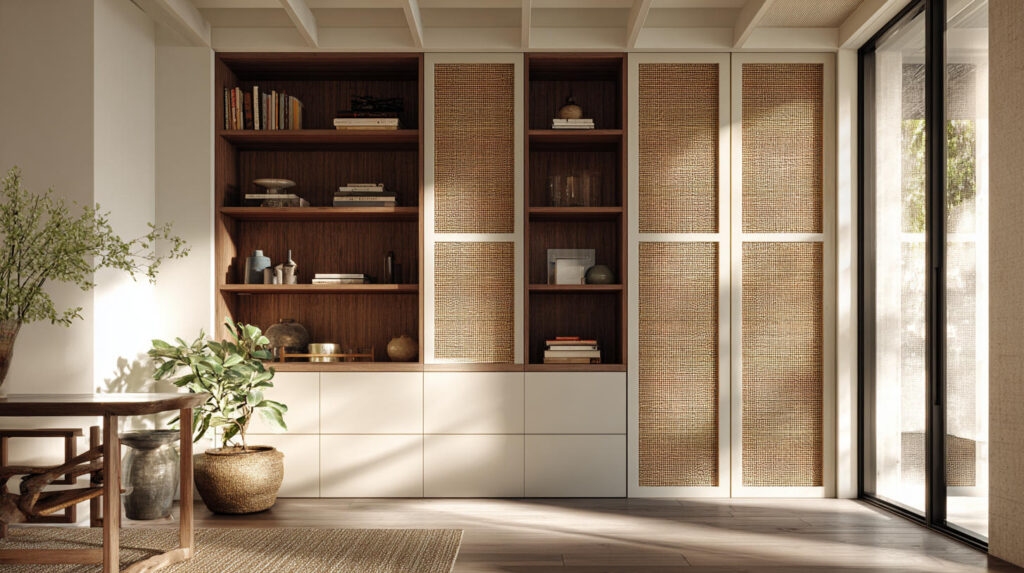
5-1. Rattan-Insert Cabinet Panels
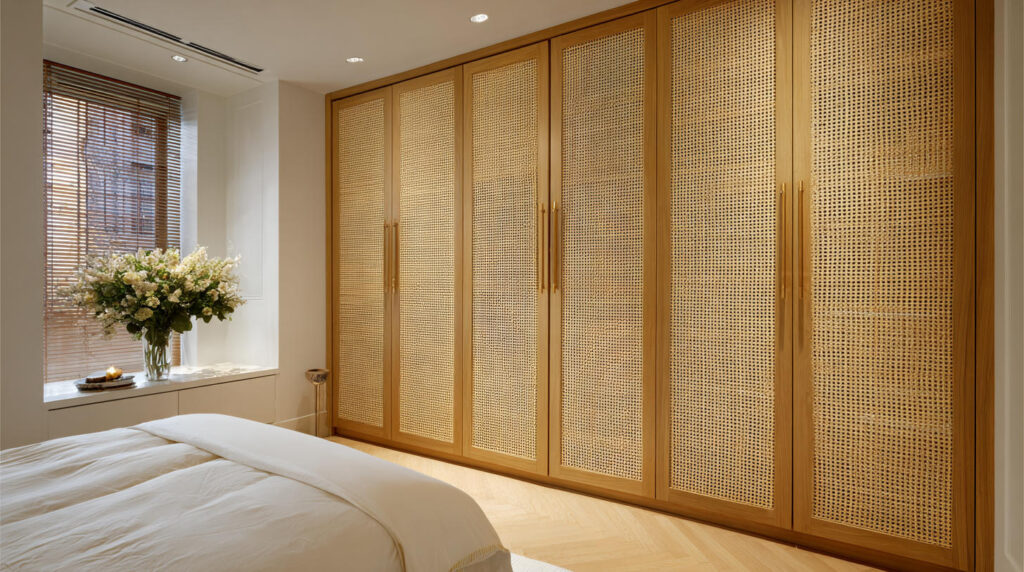
5-2. Cane Detail Wardrobe Doors
Instead of full rattan pieces, you’ll see it as an accent:
rattan cabinet inserts
woven panels on wardrobes
cane-style drawer fronts
rattan inside niche doors
It’s like adding texture to food. It changes everything, even in small amounts.
Bonus:rattan aligns with the sustainability conversation that’s getting louder in the industry.
Best for: Bali-inspired homes, warm minimalism, and coastal vibes.
Trend 6: Multi-Function Furniture in Custom Furniture Trends Indonesia
Yes, multi-function is trending. But people are tired of complicated gimmicks. This is where custom furniture trends Indonesia are evolving: toward smart, intuitive designs that offer true versatility without sacrificing simplicity or aesthetic harmony—prioritizing ease of use and seamless integration into daily life.
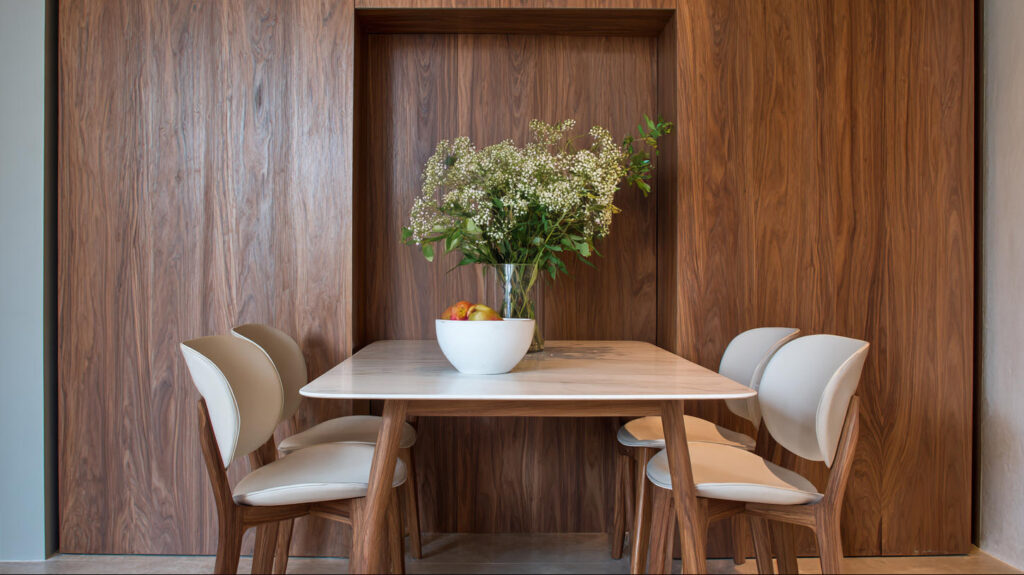
6-1. Extendable Dining Table in a Compact Home
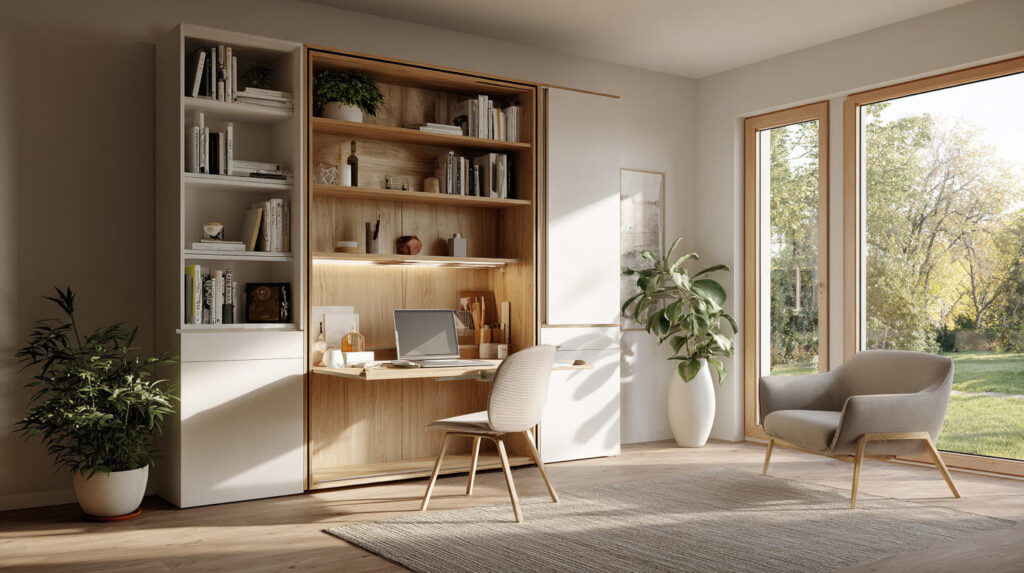
6-2. Fold-Down Work Desk Integrated into Cabinetry
The best versions are simple:
extendable dining tables
fold-down work desks
sofa + storage bases
guest room + home office combos
If the mechanism feels fragile, skip it. Reliability wins.
Rule of thumb:fewer moving parts = fewer future problems.
Best for: young couples, hybrid workers, and smaller houses.
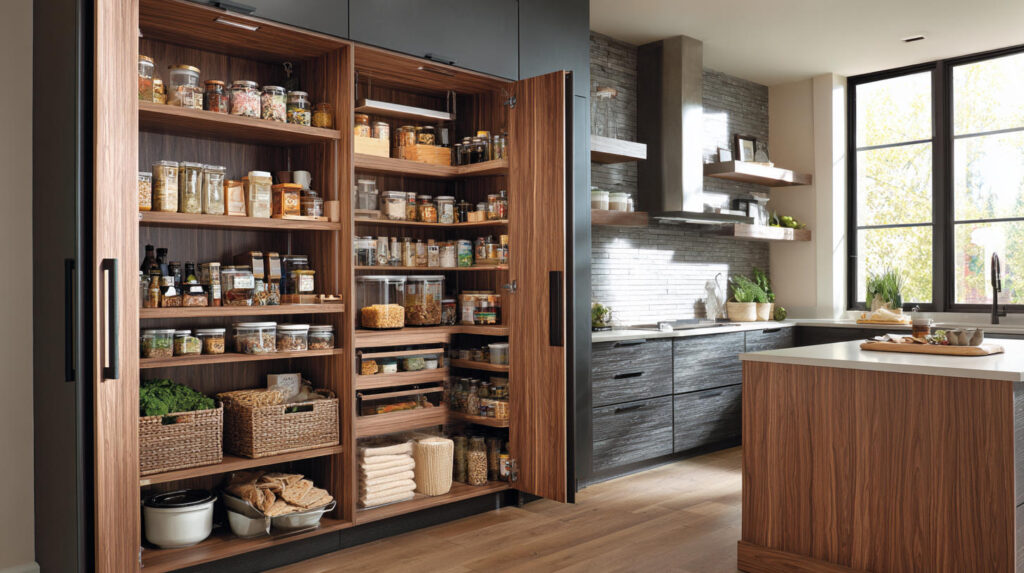
Trend 7: Kitchen and Pantry Zones That Control the Mess
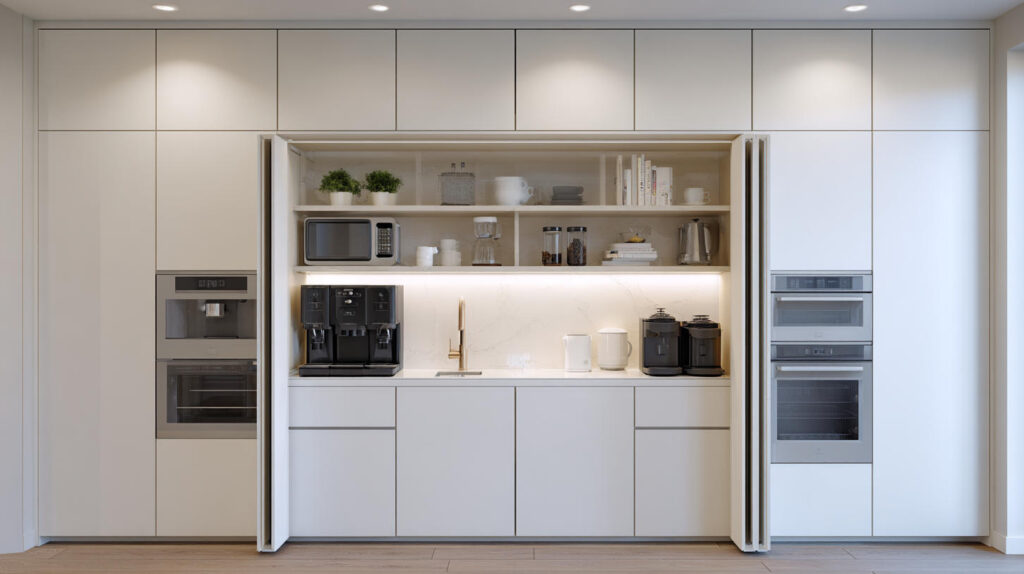
Indonesian kitchens often struggle with the same issue: too many small appliances, too little organized space.
It’s not about being fancy. It’s about finding things fast.
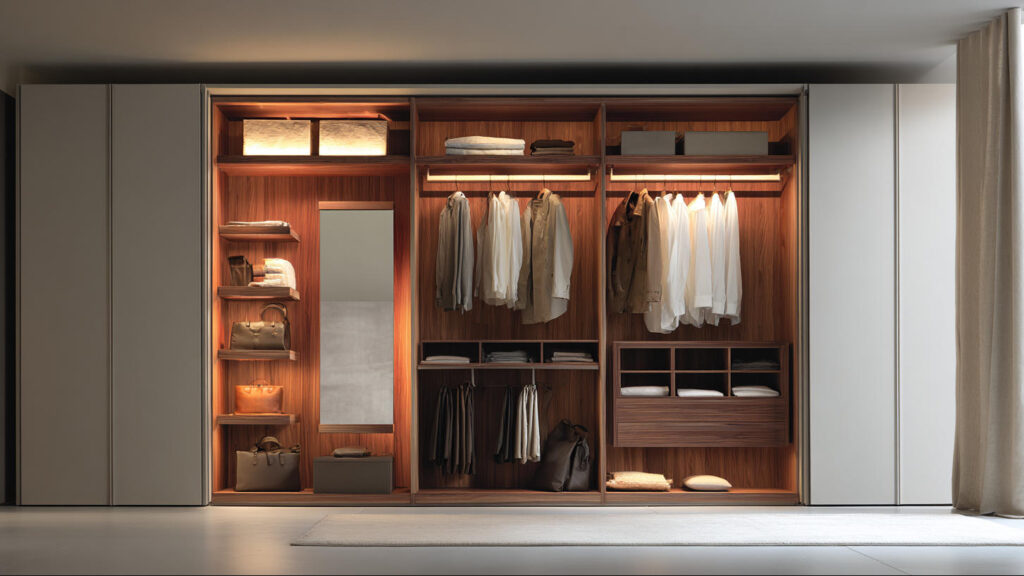
Avoid: fully open wardrobes. They look great for two days.
Best for: master bedrooms, walk-in styles, and busy professionals.
Trend 9: Kids-Friendly and Pet-Friendly Finishes
This is a quiet trend, but it’s real.
9-1. Matte, Anti-Fingerprint Cabinet Finishes
9-2. Rounded-Edge Storage Cabinets for Safety
More Indonesian households want durable finishes:
scratches
fingerprints
humidity
daily cleaning
So you’ll see more:
matte and anti-fingerprint surfaces
rounded corners
durable edge banding
easy-wipe textures
Best for: families, pet owners, rental units.
Trend 10: Health and Low-Emission Materials in Custom Furniture Trends Indonesia
People are asking better questions now. Not just “Is it pretty?”
When you use composite wood (MDF, particleboard, plywood), emissions standards become relevant. The U.S. EPA, for example, has formaldehyde emissions rules for composite wood products under TSCA Title VI.
Quick checklist:
ask for low-emission boards
confirm adhesives and finishes
prioritize good ventilation after installation
Best for: families, schools, hospitality projects, and anyone sensitive to odors.
Trend 11: Sustainability Proof in Indonesian Custom Furniture Trends
Sustainability is now part of buyer decision-making. But smart buyers want proof.
Two common signals:
FSC chain-of-custody for responsible sourcing and traceability.
Indonesia’s SVLK timber legality verification, often required for exporters and used as a legality assurance tool.
This connects with Indonesia’s export ecosystem too, where market access and compliance matter.
Best for: eco-conscious homes, commercial projects, and international clients.
Trend 12: “Project-Ready Custom” for Developers and Renovations
This is more B2B, but it impacts what homeowners see too.
As housing development and renovation demand continue, more custom furniture is designed to be:
modular
fast to install
consistent across units
easy to maintain
Industry reports also tie market growth to housing build-outs and urban upgrades.
Best for: developers, landlords, and anyone renovating multiple rooms.
How to Choose the Right Trend for Your Home (Fast)
Trends are fun. But your daily life decides what’s “best.”
Use this quick filter:
If you live in an apartment
Go for:
built-in systems
floating cabinets
hidden storage
Skip:
oversized bulky pieces
If you have kids
Go for:
durable matte finishes
rounded edges
easy-clean materials
Skip:
delicate high-gloss surfaces
If you host guests a lot
Go for:
dining storage
bar/coffee zone
display + closed storage mix
If you want a “luxury” feel
Go for:
warm minimal palettes
layered lighting
textures like rattan inserts
Skip:
too many materials fighting each other
If your budget is tight
Do “high impact first”:
wardrobe system
kitchen storage zones
entry storage
Then add decorative pieces later.
Final Thought: Embracing Custom Furniture Trends Indonesia for a Personal Home
Custom furniture in Indonesia is clearly moving toward smarter storage, lighter visuals, warmer materials, and better material standards. It’s no longer just about how a space looks. It’s about how it supports your daily routine, your family, and the way you actually live.
If you’re planning a new home, renovation, or a custom furniture project and want ideas that truly fit your space and lifestyle, feel free to contact us. We’re happy to help you explore tailored design solutions, material options, and practical layouts—so your custom furniture works beautifully from day one, not just in photos.
FAQs
1. Is custom furniture worth it in Indonesia?
Yes, especially for apartments and irregular layouts. Custom furniture maximizes space, improves storage efficiency, and creates a cohesive interior design. In growing urban areas of Indonesia, built-in furniture often adds long-term functional value compared to standard ready-made pieces.
2. Is custom furniture better for small apartments
Yes. Custom furniture is ideal for compact living. Space-saving furniture, hidden storage, and corner systems help maximize usable space. Ready-made pieces often leave gaps or waste vertical space.
3. How much does custom furniture cost in Indonesia?
Costs vary based on material, size, and complexity. Basic custom wardrobes may start from mid-range pricing, while full built-in kitchen systems cost significantly more. High-end finishes, hardware, and sustainable materials increase pricing. Always request a detailed quotation.
4. How do I choose between built-in furniture and modular furniture?
Built-in furniture offers seamless integration and better space utilization. Modular furniture is more flexible and easier to relocate. If you plan long-term occupancy, built-ins often provide better value. For rental properties, modular may be safer.
With over 17 years of expertise as a whole-home customization specialist, we curate and publish design solutions, material applications, and space-planning insights specifically for developers, contractors, wholesalers, and project stakeholders.
Professional Whole-Home Customization Solution Manufacturer
PA Home Indonesia is a Professional manufacturer specializing in high-end cabinets (including custom kitchen cabinets, custom wardrobes, bathroom vanities), interior doors, and other related products.
Over 42,000 projects completed across 80+ countries, with deep expertise in global markets.
15,000m² intelligent factory in Indonesia, we command over 215,000m² of global production space.
An in-house team of 300+ professional installers with extensive experience in overseas projects.
A leading Custom Fix Furniture manufacturer in Indonesia, Saudi Arabia, UAE, and China.