Understanding Small Hotel Room Constraints and Opportunities

To design small hotel rooms starts with knowing the space limits and regulations you must work within. Typically, compact hotel rooms range from 150 to 250 square feet, influenced by local building codes and ADA (Americans with Disabilities Act) requirements. These standards ensure safety and accessibility but can sometimes feel like design hurdles.
Table of Contents
ToggleCommon pitfalls in small room layouts include overcrowded furniture, poor flow, and inadequate storage—issues that make rooms feel cramped and uncomfortable. For example, stuffing in oversized beds or bulky wardrobes restricts movement and frustrates guests.
Yet, small hotel rooms come with unique opportunities. Today’s travelers often prioritize functional, cozy spaces over sheer size. The rise of boutique and micro hotels highlights a shift toward multifunctional furniture, smart zoning, and minimalist interiors—all geared to make every square foot count. Plus, with more short stays and business trips, guests appreciate efficient, well-thought-out spaces that support work, rest, and play.
In :
- Know your size limits and regulations upfront to avoid design dead ends
- Avoid clutter and poor planning that reduce usable space
- Leverage travel trends favoring compact, smartly designed guestrooms
This foundation helps small hotels maximize room space while delivering a memorable guest experience.
Core Design Principles for Space Optimization
When designing small hotel rooms to maximize space, keeping things simple is key. Embrace minimalism—use fewer, well-chosen pieces to create a calm and open feel. Avoid clutter by sticking to essentials, which helps guests feel relaxed, not cramped.
Next, focus on flow and zoning. Divide the room into clear areas like sleeping, working, and relaxing without walls—use rugs, lighting, or furniture placement to define these zones. This makes the space feel organized and functional, so guests can move around easily.
Don’t forget to integrate accessibility features early in the design. Planning for wider pathways, ADA-compliant fixtures, and user-friendly controls from the start not only meets regulations but also improves comfort for all guests. This forward-thinking approach avoids costly redesigns later and makes your small hotel feel welcoming to everyone.
Furniture and Layout Strategies: Building Blocks of Efficient Rooms
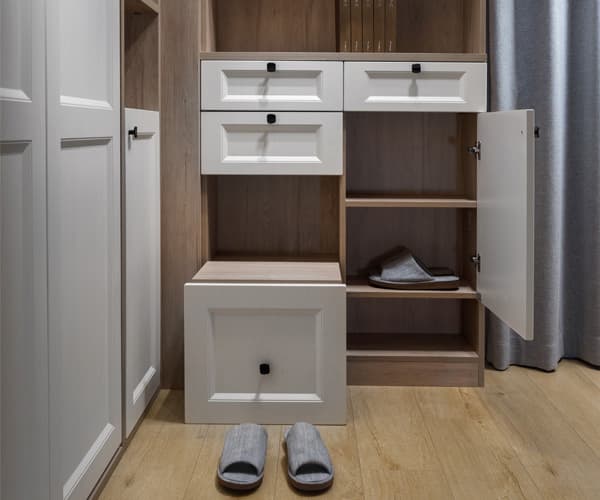
When designing small hotel rooms, picking the right furniture and layout is key to maximizing space without sacrificing comfort.
Select multifunctional furniture pieces
Multifunctional furniture is a game-changer for compact hotel room layouts. Look for beds with built-in storage drawers, foldable desks, or chairs that double as luggage racks. These pieces reduce clutter and make better use of every square foot.
Optimize bed placement and size
The bed takes up the most space in a small room, so choosing the right size matters. Consider full or queen beds over king-size, unless it’s a premium suite. Placing the bed against a wall or in a corner opens up more floor space. Avoid blocking pathways to enhance flow.
Creative zoning with flexible layouts
Divide the room into functional zones like sleeping, working, and lounging, even in tight spaces. Use area rugs, lighting, or furniture arrangement to define zones subtly. Flexible layouts, like movable partitions or modular seating, allow rooms to transform based on guest needs.
Case study: Yotel’s pod design
Yotel hotels reinvent small-room design by using pod-like units that maximize vertical space and keep furniture compact. Their smart layouts include beds that fold into the wall and clever storage compartments, making rooms feel spacious despite limited square footage.
By focusing on multifunctional furniture and smart layouts, small hotels can create cozy, efficient rooms that guests enjoy without feeling cramped.
Storage Solutions: Keeping Clutter at Bay Without Sacrificing Style
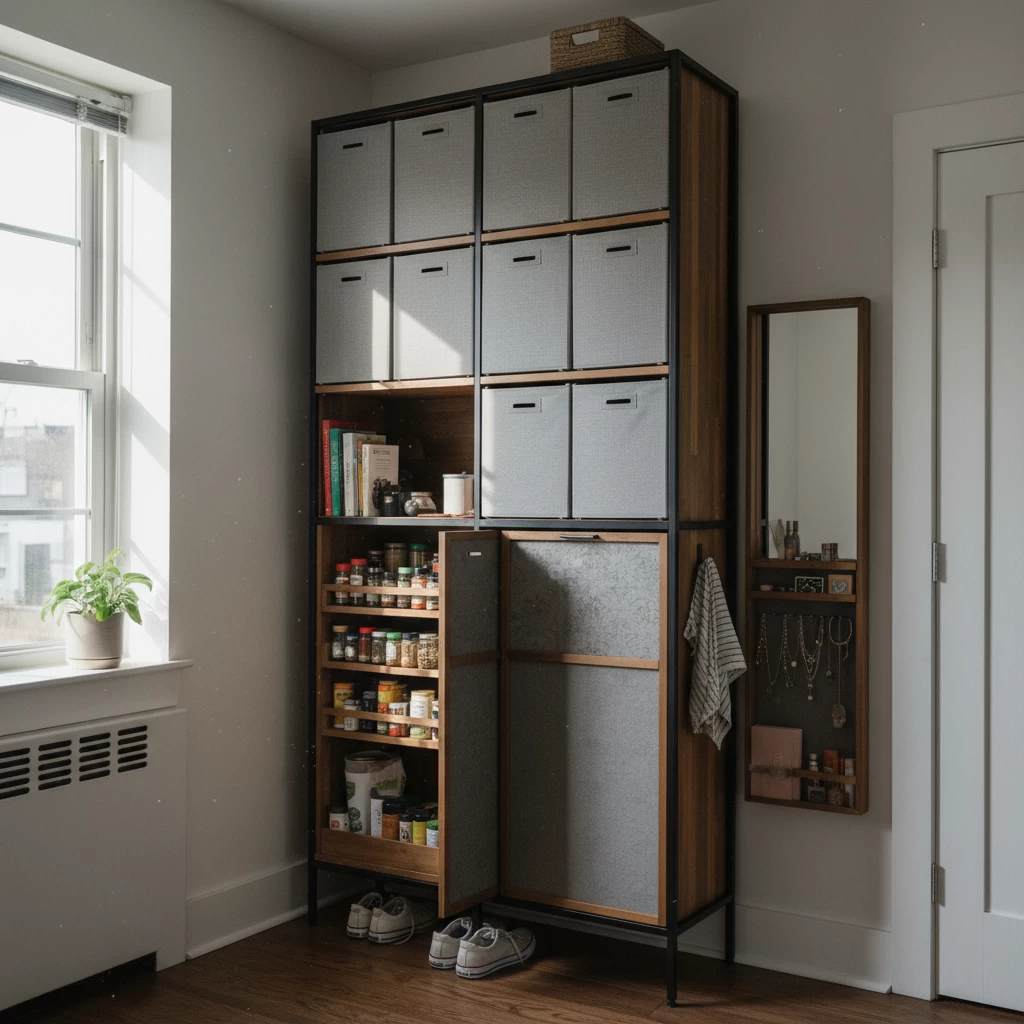
When designing small hotel rooms, smart storage is a game-changer for maximizing space without making the room feel cramped. Here’s how to keep clutter under control while maintaining a clean, stylish look:
Use Vertical and Hidden Storage Effectively
Think tall shelves, wall-mounted cabinets, and storage above doorways. These spots often go unused but can hold luggage, linens, or extra amenities. Hidden compartments under beds or inside benches keep things out of sight and free up floor space.
Entryway Solutions to Reduce Congestion
A small, organized entry area prevents clutter buildup. Install hooks or pegboards for coats and bags, and slim shoe racks or benches with storage inside. This keeps the main room open and welcoming.
Innovative Bathroom Storage and Layouts
Bathrooms are tight in small hotels. Use recessed shelves in showers, medicine cabinets with mirrors, and wall-mounted dispensers for toiletries. Fold-down shelves or pull-out baskets can add storage without taking up extra room.
Maintenance with Durable Materials
Choose materials that hold up to frequent cleaning and wear. Surfaces like laminated wood, metal, or treated composites keep storage looking fresh and functional over time. Durable storage solutions lower replacement costs and keep guests happy.
Smart storage is key to getting the most out of tight spaces. It keeps rooms tidy and inviting, proving that small hotels can pack in big comfort without sacrificing style.
Lighting, Colors, and Illusions: Making Rooms Feel Twice as Big
Proper lighting and color choices can do wonders in maximizing the use of small hotel room space. Start with layered lighting strategies—combine ambient, task, and accent lights to add depth and warmth without crowding the room. Think wall sconces or recessed lighting instead of bulky lamps to free up floor space.
Using light colors and subtle accents helps open up the room visually. Whites, soft grays, and pastels reflect more light, making rooms feel airy and larger. Add small pops of color through pillows or artwork to bring personality without overwhelming.
Mirror placement is a classic trick for creating depth. Position mirrors opposite windows or near light sources to bounce natural and artificial light around the room. This simple trick creates an illusion of a more spacious environment that guests appreciate.
Don’t forget to integrate technology that enhances guest convenience without clutter. Smart lighting panels or app-controlled lights give guests control while keeping switches and wires minimal. This modern touch also appeals to tech-savvy travelers who expect seamless comfort in compact spaces.
By combining these elements thoughtfully, small hotel rooms can feel comfortable and inviting, without the cramped feeling often associated with limited square footage.
Bathroom and Amenity Innovations for Compact Comfort
In small hotels, the bathroom can quickly become a cramped spot if not designed smartly. To maximize space, focus on streamlined fixtures that don’t take up much room but still offer comfort. Think about wall-mounted sinks and toilets that free up floor space and make cleaning easier.
Foldable and retractable elements add flexibility—like towel racks, shower seats, and even folding shelves—that stay out of the way when not in use. These features keep the space functional without crowding it.
Eco-friendly upgrades also fit well in compact bathrooms. Low-flow faucets and showers save water, while LED lighting reduces electricity use and keeps the space bright without bulk. These green choices appeal to guests who care about sustainability and help hotels save on bills.
Lastly, don’t overlook guest-friendly accessibility. Installing grab bars, walk-in showers with no thresholds, and easy-to-use controls ensures the bathroom feels comfortable and safe for everyone. This boosts your hotel’s appeal without taking up extra room.
By combining space-saving fixtures, smart foldable options, and eco-friendly, accessible designs, small hotel bathrooms can offer both comfort and efficiency in tight quarters.
Incorporating Technology and Sustainability for Modern Appeal
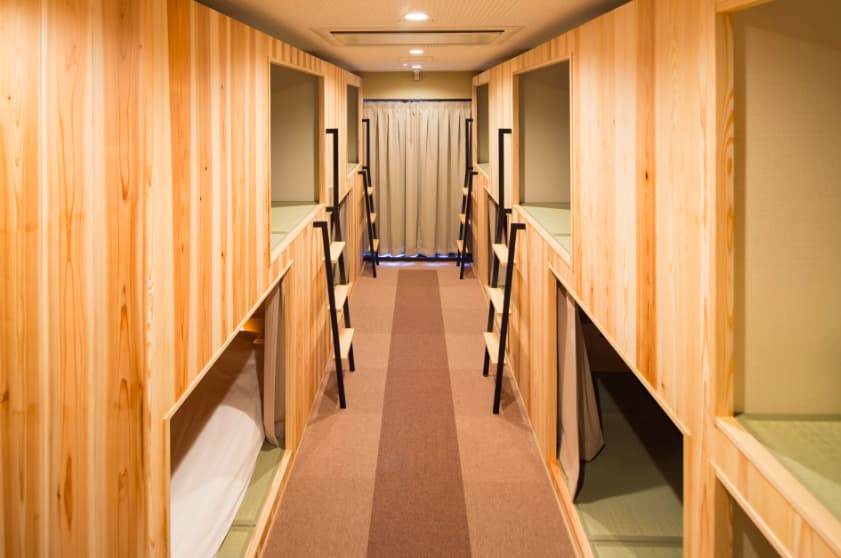
In today’s small hotels, smart tech isn’t just a nice-to-have—it’s a must for maximizing space and boosting guest satisfaction. Installing footprint-reducing technology like smart thermostats, automated lighting, and keyless room entry keeps rooms efficient and clutter-free. These systems save energy and cut costs, which directly impacts your bottom line.
Using sustainable materials also plays a big role. Think recycled wood, low-VOC paints, and energy-efficient appliances. Not only do these choices lower environmental impact, but guests – especially in the U.S. market – increasingly expect eco-conscious stays.
The combination of tech and sustainability improves ROI by attracting eco-minded travelers and reducing operational expenses. PA Home offers custom tech audits that help small hotels find the right smart solutions tailored to their space and budget, making it easier to upgrade without guesswork. This approach brings modern appeal while maximizing room function and keeping costs in check.
Real-World Case Studies: Small Hotels Doing It Right
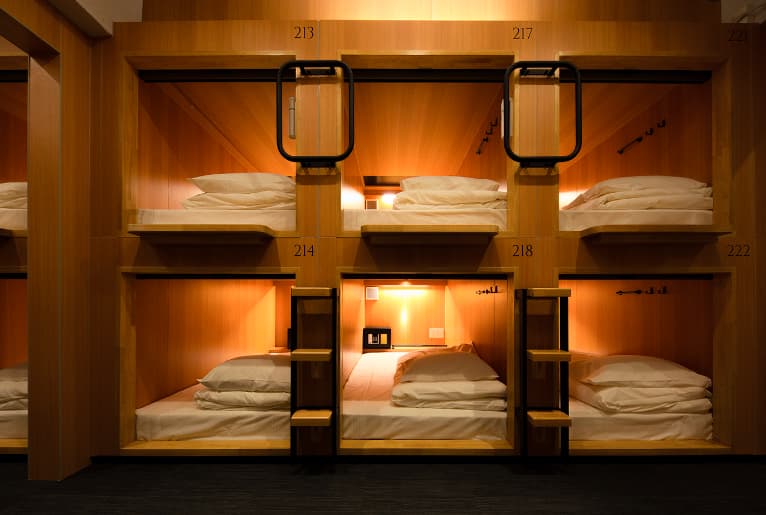
Looking at real examples helps us see how small hotels maximize room space effectively. Take CitizenM, for example. Their rooms use modular living room designs that fit all essentials into a compact footprint without feeling cramped. Smart layouts combine bed, desk, and storage in tight zones, making every inch count.
Then there’s Pod Hotels, masters of vertical storage. They maximize space by stacking storage options and incorporating sofa-beds that transform the room from lounge to sleep space quickly. This flexibility lets guests use rooms in multiple ways throughout their stay.
These adaptive designs don’t just look good—they deliver measurable benefits:
- Higher guest satisfaction scores due to efficient comfort
- Better room turnover times from easy-to-clean modular setups
- Increased revenue by fitting more versatile rooms into the same footprint
For small hotels looking to boost space use and guest experience, these case studies offer clear blueprints.
Want to put these ideas into practice? Grab our free toolkit packed with layout templates, furniture picks, and step-by-step guides to get your small hotel rooms guest-ready fast.

Implementation Roadmap: From Concept to Guest-Ready Rooms
Designing small hotels to maximize room space doesn’t just happen overnight. It’s a process that moves from ideas to fully functional guest rooms. Here’s a straightforward roadmap to guide the way.
Budget Tiers and Cost-Efficient Upgrades
Start by setting realistic budget tiers:
- Basic upgrades: Focus on decluttering, smart layout tweaks, and adding multifunctional furniture.
- Mid-level improvements: Incorporate vertical storage, better lighting layers, and eco-friendly fixtures.
- Premium investments: Consider technology integration, custom furniture pieces, and complete room redesigns based on guest flow.
Choosing cost-efficient upgrades that bring the most value can help balance guest comfort and operational costs.
Rollout Phases and Common Pitfalls
Break the project into phases:
- Phase 1: Plan layout and design goals.
- Phase 2: Source materials and test key furniture.
- Phase 3: Install and train staff on maintenance.
- Phase 4: Receive guest feedback and refine.
Watch out for common pitfalls like overloading rooms with furniture, ignoring accessibility needs, or neglecting maintenance requirements. Small hotel rooms must stay functional and fresh in daily use.
Success Measurement with Guest Metrics
Track guest satisfaction with:
- Room usability ratings in surveys
- Booking frequency and length of stays
- Online reviews mentioning comfort and space
- Operational feedback from housekeeping
Good measurements let you tweak design elements continually to enhance small room functionality.
Next Steps with PA Home Consultation
Ready to bring these ideas to life? PA Home offers expert guidance tailored specifically for small hotels. From space-saving furniture to smart bathroom vanities, their solutions boost both style and efficiency. Check out their stylish storage options on their blog here and bathroom vanities here to get started.
By following this roadmap, small hotels can create guest rooms that feel spacious, functional, and inviting—making every square foot count.
FAQs
1.What are the best space-saving furniture options for small hotel rooms?
Space-saving furniture such as fold-out beds, wall-mounted desks, and built-in shelving units can help maximize floor space without compromising comfort or style.
2.How can I make a small hotel room feel more spacious without overwhelming the design?
Use light colors, mirrors, and open shelving to create the illusion of space. Avoid heavy, bulky furniture, and opt for minimalist designs that maintain functionality while feeling airy.
3.What layout strategies can help optimize the use of a small hotel room?
A well-thought-out layout should prioritize the flow of movement, positioning furniture to create clear pathways. Placing the bed against the longest wall and maximizing vertical space are effective strategies.
4.How can I incorporate multi-functional elements into a small hotel room design?
Multi-functional elements such as convertible furniture, storage-integrated beds, and collapsible tables allow the room to serve multiple purposes, from sleeping to working, without taking up too much space.
5.What are some clever storage solutions to maximize space in a small hotel room?
Utilize under-bed storage, built-in cabinets, and hidden compartments to keep belongings organized. Vertical storage solutions, like high shelves or hanging storage units, can also help reduce clutter.