A bedroom is much more than a place to sleep. It’s where you start and end your day, and it holds your personal sanctuary within the walls. The way your bedroom is designed can greatly influence how you feel in that space. From the bed to the lighting, every element plays a part, but one key piece of furniture that often takes center stage is the wardrobe. Bedroom wardrobe design is crucial, not only for its storage capacity but also for how it impacts the overall look and feel of your room.
Table of Contents
ToggleWhen thinking about your bedroom wardrobe, you might start by considering functionality. What do you need it to do for you? How do you want it to feel within the space? Is it just a place to store clothes, or does it need to act as a centerpiece in your bedroom? Let’s explore how to approach this.
The Art of Bedroom Wardrobe Design: Space and Function Meet
The most important thing to understand when designing a bedroom wardrobe is that it should serve more than just a functional purpose—it should also complement the aesthetics of your room. How do you balance these two elements? Here are some ways to think about it.
1. Walk In Closet: A Luxurious Space for Your Wardrobe
If you’re lucky enough to have the space, why not consider a walk-in closet? These closets offer an extraordinary level of functionality and style. Imagine having a room dedicated to your clothing, where you can organize, try on, and store your clothes all in one space. A walk-in closet can hold all your clothes, shoes, and accessories, and even provide space for a vanity or additional storage. It creates a sense of luxury and privacy that many homeowners desire.
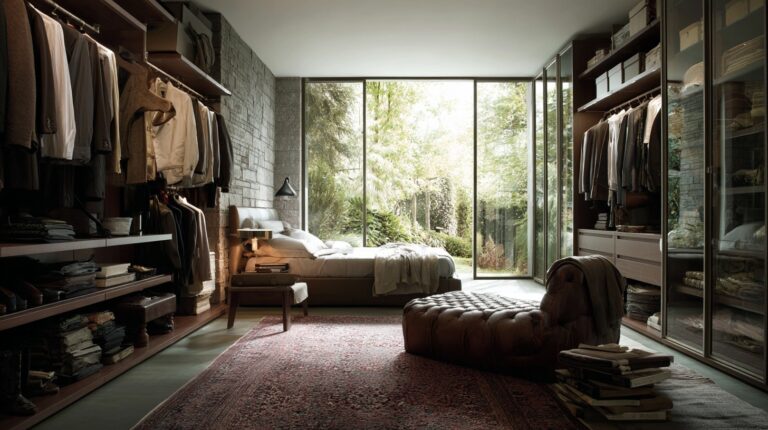
But here’s the thing—while a walk-in closet can be a dream come true, it requires space. If your bedroom is small or you’re working with a compact living situation, this might not be a feasible option. Additionally, building a walk-in closet can be costly. So, before committing, think about whether you have the room for it and whether it fits your budget.
2. Recessed or Built In Wardrobe: Maximizing Space with a Sleek, Seamless Look
For those with smaller spaces or who want to make the most of every inch, a built-in or recessed wardrobe is a perfect solution. These wardrobes blend seamlessly with the walls, creating a streamlined, clean appearance. By incorporating the wardrobe into the room’s architecture, you maximize storage without sacrificing space for movement. It’s a design that works wonders in rooms where every square foot matters.

However, there’s a downside to built-in wardrobes. Once you’ve designed and installed them, they’re permanent. They can’t be moved or reconfigured if your needs change down the road. Also, if you’re considering traditional hinged doors for your wardrobe, you’ll need enough space for them to open fully. If your bedroom’s layout doesn’t allow for this, sliding doors may be a better choice. While sliding doors may not fully open like hinged doors, they still provide easy access to your wardrobe without taking up too much space.
3. Combining Wardrobe Design with Dressing Table or Desk: A Multi-Functional Piece
One of the most clever solutions for maximizing bedroom space is integrating a wardrobe with a dressing table or desk. This design combines two essential functions into one, ensuring that your wardrobe isn’t just about storing clothes—it’s also about creating a clean, organized space for other activities. This is a great solution for smaller bedrooms where space is tight, and you want to minimize clutter.

Imagine having your wardrobe on one side of the room, seamlessly blending into a vanity area on the other side. You get the benefits of a full wardrobe, plus the practicality of a dressing area all in one. It’s an efficient and elegant solution that doesn’t overwhelm the room. But be mindful of the space planning here—your wardrobe needs to be well-thought-out in terms of functionality so that it doesn’t compete with the desk or vanity for space.
4. TV Wardrobe Integration: Merging Entertainment and Storage
If you want to keep your bedroom tidy yet functional, a wardrobe with a TV unit integrated into it might be an ideal option. For those who like to wind down with a good show in the comfort of their bedroom, a wardrobe with a built-in TV nook combines storage with entertainment. You can keep your clothing organized while still having access to entertainment at your fingertips, all within a streamlined design.

The challenge here is balance. While the TV wardrobe solution is practical, it can easily become cluttered if not carefully designed. Ensure that the wardrobe’s storage compartments don’t encroach on the TV area. Also, keep in mind that not all wardrobes are designed to handle the heat from electronics. Ventilation is key, and you may need to consider designs that allow for airflow or conceal cables effectively.
Creating Harmony: How to Choose the Right Style for Your Bedroom Wardrobe
Designing a bedroom wardrobe isn’t just about storage—it’s also about creating a harmonious space that complements your room’s overall style. Your wardrobe can be a statement piece, or it can blend effortlessly into the background. Here are a few tips for pairing your wardrobe design with the style of your bedroom:
1. Minimalist Bedroom Wardrobe Designs: Clean, Sleek, and Modern
If you prefer clean lines and a modern aesthetic, minimalist wardrobes are the way to go. These wardrobes are typically free of excess details and focus on simple functionality. Sliding doors are a great option here, as they maintain the sleek, modern look while allowing for maximum space efficiency.

You might opt for a wardrobe in neutral colors like white, gray, or black, or even go with a matte finish to keep things understated. Minimalist wardrobes are ideal for those who prefer simplicity and don’t want their wardrobe to overpower the rest of the room.
2. Classic or Traditional Styles: Embracing Warmth and Detail
For those who enjoy a more classic, traditional look, wooden wardrobes can bring warmth and texture to your bedroom. Think rich wood tones, detailed carvings, and intricate hardware. These types of wardrobes often become a central focal point in the room, bringing character and a timeless appeal.

A traditional wardrobe can offer a lot of visual interest, but be careful not to make the room feel heavy. You can balance the intricate details with lighter bedding or lighter-toned walls to avoid overwhelming the space.
3. Glass Door Wardrobes or Open Concept: Displaying Your Clothes as Art
If you love fashion and want your clothes to be part of your room’s décor, an open wardrobe or glass door wardrobe might be for you. This design removes the need for doors, leaving your clothing on display. The key is to keep everything neat and organized, turning your wardrobe into a stylish feature of the room.

This style works well with shelving, hanging rods, and even decorative bins for shoes or accessories. Open wardrobes are perfect for modern, industrial, or minimalist rooms, where simplicity and order are essential. However, keep in mind that regular maintenance is needed to keep the glass shining and prevent dust buildup.
4. Mirrored Wardrobes: Reflecting Light and Creating Space
A mirrored wardrobe is an excellent choice if you want to add a touch of glamour or make your space feel bigger. Mirrored wardrobes reflect light, creating the illusion of more space and brightness, which can be particularly useful in smaller rooms.

Mirrored wardrobes also add a touch of luxury, making them ideal for upscale bedroom designs. But be aware—they require regular cleaning to maintain their shine and reflectiveness. They’re best suited for well-maintained rooms where their reflective qualities will enhance the overall aesthetic.
Conclusion: Finding the Right Bedroom Wardrobe Design for Your Space
Designing the perfect wardrobe for your bedroom is an exciting journey. It’s about balancing functionality with style, understanding your space, and creating something that makes your bedroom feel like a sanctuary. Whether you choose a walk-in closet for the ultimate luxury, a built-in wardrobe to save space, or an open design to showcase your clothing as art, the wardrobe you select will become an integral part of your bedroom’s design.
Consider your space carefully, think about how you use your bedroom, and choose a wardrobe that works for your lifestyle. With a little planning, your bedroom wardrobe can be both practical and stylish, enhancing the overall ambiance of your room.
FAQs About Bedroom Wardrobe Design
What type of wardrobe works best for a small bedroom?
For small bedrooms, built-in/fitted wardrobes or ones with sliding doors tend to work best — they save floor space, avoid door‑swing conflicts, and make the room feel less cramped.
How do I maintain a wardrobe — especially with glass doors or open storage?
Regular maintenance is key. For glass‑door or open wardrobes: dust shelving and rods often, clean glass surfaces to maintain shine, and reorganize contents regularly to prevent clutter. This keeps wardrobe storage efficient and the space looking fresh.
What wardrobe features should I consider for a shared bedroom?
In a shared bedroom, consider wardrobes with multiple sections—one for each person’s clothing. Features like adjustable shelves, hanging rods, and divided drawers will help organize different types of clothing. A double wardrobe or a large sliding-door wardrobe can accommodate both users without taking up too much space.
How much space should I reserve for a walk-in closet?
For a walk-in closet, reserve at least 50 to 70 square feet (4.6 to 6.5 square meters) of floor space. This allows for hanging rods, shelves, and comfortable movement. For a larger, more luxurious closet with additional features, 100 to 150 square feet (9.3 to 13.9 square meters) is ideal.